
High Speed photography 101 - Pre-Smarter Every Day
4 chapters
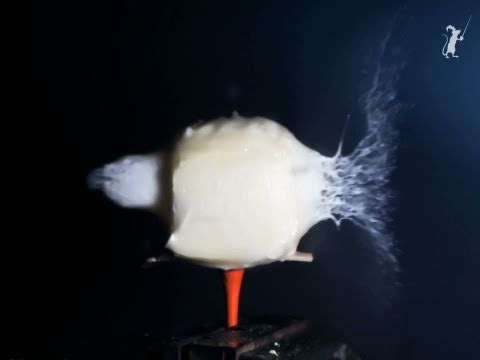
- Introduction to High-Speed PhotographyWhat It IsHigh-speed photography captures photos of objects being hit by bullets at the exact moment of impact. It differs from high-speed video commonly seen on television.AccessibilityThis technique is within reach of most people who don't realize it's possible. It doesn't require insanely special equipment, just proper timing.Core ComponentThe key tool is a flash unit that can be triggered at the exact moment needed to capture the impact.Project GoalDustin demonstrates how to photograph bullets hitting targets using a controlled flash system triggered by sound.
- The Multi-T Trigger Circuit SetupCircuit SourceA breadboard circuit purchased from hiviz.com called the multi-T trigger that can be assembled at home.Trigger Options• Sound-triggered mode for rifle shots • Photo gates and other input methods • Adjustable delay from 2 to 20 milliseconds after the trigger eventAssembly TimeDustin reassembles an already-built circuit to improve its mechanical integrity, demonstrating the quick assembly process.SynchronizationThe delay system ensures the flash fires at the exact moment the bullet hits the target.
- Circuit Components and Flash MechanicsSound DetectionA piezo transducer connected to the circuit detects sharp sounds and initiates the flash without delay.Adjustable Settings• Sensitivity controls for sound detection • Reset time adjustment • Delay timing via coarse and fine potentiometers • Customizable flash firing timesConnection StandardThe flash connects to the circuit via a PC connector, which stands for Pronto Comour, a standardized connection type established by flash companies in the 1950s in the UK and Germany.Flash DurationAt minimum power output, the flash duration is approximately 160 microseconds, much faster than mechanical camera shutters.
- Practical Applications and CapabilitiesPhotography Examples• Photographing bottles breaking by dropping them and triggering flash on impact • Capturing bullets hitting targets • Any scene requiring precise timing of light exposureTechnical AchievementThe flash system achieves shutter speeds much faster than mechanical camera shutters can produce, allowing capture of extremely brief moments.Power ControlThe flash has built-in exposure compensation that can reduce output to 1/128th of full power, enabling fine control over light intensity and duration.Philosophical PerspectiveHigh-speed photography is a tool for exploring the physical world and the natural laws that govern it, revealing details invisible to the naked eye.
![How Does Film ACTUALLY Work? (It's MAGIC) [Photos and Development] - Smarter Every Day 258](https://img.youtube.com/vi/TCxoZlFqzwA/mqdefault.jpg)