Transit of Venus! US Space & Rocket Center - Smarter Every Day 54
4 chapters
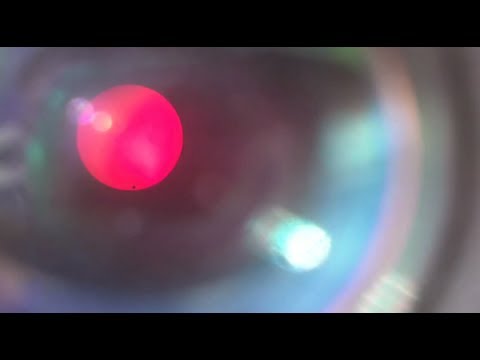
- Venus Transit Observation at US Space & Rocket CenterEvent OverviewVenus passed between Earth and the sun during a rare transit event. Destin visited the US Space & Rocket Center where people gathered with telescopes and various viewing devices to safely observe the phenomenon.Safe Viewing Methods• Welding hoods provide effective sun viewing without eye damage • Stacking multiple sunglasses cannot block invisible infrared and ultraviolet light • Telescopes with proper filters allow safe observationCommunity SpiritMembers of the von Braun Astronomical Society shared their telescopes with other observers, prioritizing community access over personal viewing of this once-in-a-lifetime event.Viewer ParticipationDestin encouraged subscribers to share their own Venus transit observations and create a compilation of viewer data from multiple locations.
- Telescope Tracking and Astronomy EquipmentMount AlignmentThe telescope mount aligns the center of rotation with Earth's center of rotation and is angled to match the local latitude, allowing the scope to rotate on a single axis like the Earth.Observation TechniqueOnly two heavenly bodies needed to be located instead of the usual three. Manual tracking is made simple by the proper mount design and quick-and-dirty adjustment methods.Solar FeaturesSunspots and magnetic storms were visible on the sun during observation, appearing as a triangle pattern on the solar surface.NASA PresentationNASA displayed real-time solar data including solar flares in a dedicated trailer setup, providing comprehensive solar activity information to observers.
- Homemade Parabolic Telescope ProjectTelescope DesignA parabolic reflecting telescope with F8 lens and 48-inch focal length was constructed from PVC pipe, inspired by William Herschel's original parabolic mirror designs.Lens Grinding Process• The lens was ground manually using silicone oxide and cerium oxide compounds • Focal length was measured and calculated after grinding • The project required determination and skill to complete successfullyBuilder BackgroundPaul, the telescope builder from Alabama, developed this project out of personal passion for space and astronomy despite stereotypical expectations.Performance ChallengeAnother observer with a simple PVC pipe setup appeared to have better viewing results, showing that simplicity can sometimes outperform complexity in amateur astronomy.
- Historical Significance and Parallax MeasurementCaptain Cook's MissionIn the 1700s, Captain Cook traveled from Britain across the Atlantic Ocean and around South America to Tahiti to observe the Venus transit from a different latitude for scientific calculations.Why Location MattersDifferent latitudes allow observers to make calculations that determine the distance to the sun using parallax principles, requiring observations from geographically separated locations.Modern AdvantagesUnlike Cook's era, modern observers can now share real-time data via the internet without needing to travel years in advance, enabling instant collaboration across continents.Educational ConnectionDerek from Australia participates in explaining parallax and distance calculations, demonstrating how contemporary viewers can replicate historical scientific methodology using modern communication.