How Does NASA Practice Landing on the Moon? - Smarter Every Day 252
The pilots of the apollo program said their best training method they had at their disposal was the lunar landing training vehicle
7 chapters
- Moon Landing Challenges and Training HistoryGravity ChallengeThe moon's gravity is 1/6th of Earth's gravity, creating different control problems for spacecraft compared to Earth's 1g environmentTraining Facilities• Lunar Lander Research Facility • Lunar Landing Training Vehicle (LLTV) • Multiple training locations used by Apollo astronautsApollo MethodNeil Armstrong developed an algorithm in his head from flying the Lunar Lander Test Vehicle that he used during his descent to the lunar surfaceModern AlternativeToday's approach uses robotic test vehicles that can be loaded with different software and flown repeatedly with simulated lunar gravity
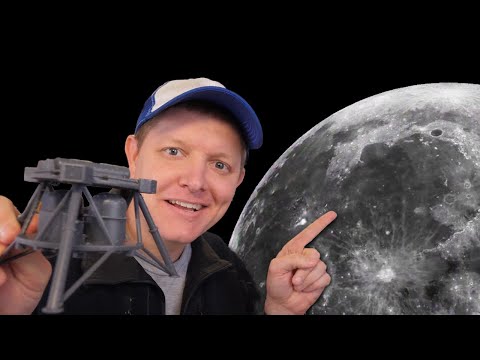
- The Mighty Eagle Program OverviewProgram PurposeEarly 2010s NASA program using small robotic landers to test algorithms and sensors for lunar missionsDevelopment Strategy• Crawl phase: Cold Gas Test Article with compressed air for 10 seconds of flight time • Walk phase: Mighty Eagle using 90% hydrogen peroxide fuel • Run phase: Advanced testing with hazard avoidance systemsFuel Choice90% hydrogen peroxide is a green propellant that decomposes when passed over silver and nickel catalyst screens, producing steam and thrust without toxic byproductsTesting TimelineCold Gas Test Article completed over 100 flights in nine months, successfully validating the approach before moving to the more complex Mighty Eagle
- Vehicle Components and Thruster SystemsGravity SimulationAn Earth Gravity Canceling thruster offsets 5/6ths of the vehicle's weight on Earth to simulate lunar gravity where the vehicle weighs only 1/6th as muchThruster Types• Earth Gravity Canceling thruster: Variable throttle, continuously offsets gravity • Descent thrusters: Three pulse thrusters that lift and lower the vehicle • Attitude Control System thrusters: Twelve total thrusters for orientation and rotationSensing SystemInertial Measurement Unit provides the vehicle's inner ear with accelerometers and gyroscopes on each axis to sense movement and send commands to thrustersFuel ManagementThe vehicle adjusts throttle during flight based on fuel consumption estimates because as it burns propellant, it must reduce thrust to maintain simulation accuracy
- Tethered Test and Flight PreparationTest StrategyNew hardware or software is first tested while tethered to the ground with soft stops as dampeners, then freed for untethered flight if successfulSafety Systems• Tethers attached at multiple lifting points prevent uncontrolled flight • Soft stops with nylon dampeners absorb shock if tether becomes taut • Steel cable backup prevents injury from sudden stopsLaunch ControlPre-flight operations conducted from a blockhouse with scripted procedures including safe and arm keys, airspace clearance, and coordinated team communicationTest ResultsThe tethered test confirmed the new control system was safe, validating the vehicle's ability to hover and maneuver before proceeding to hazard avoidance testing
- Hazard Avoidance and Advanced TestingReal-World ChallengeNeil Armstrong had to avoid craters and hazards when landing Apollo 11, requiring pilots to make real-time decisions about landing site safetyTest Setup• Custom terrain field with volcanic ash from Arizona crater • Field included craters and boulders to simulate lunar surface • Vehicle altitude: approximately 30-50 meters for testingDetection MethodTwo onboard cameras with stereo vision provide three-dimensional sight like human eyes, allowing the vehicle to identify safe landing areas and avoid hazardsProgram SuccessMighty Eagle successfully tested algorithms and sensors for lunar missions and developed subject matter expertise that had been absent since the 1970s
- Morpheus Program and NASA's Lander InitiativesParallel ProgramMorpheus was developed at Johnson Space Center and conducted flights at Kennedy Space Center with different design philosophy than Mighty EagleKey Differences• Morpheus lacked an Earth Gravity Canceling thruster • Used different propellant and sensor systems • Designed more for human lander applications versus roboticTeam IntegrationSince 2013, Mighty Eagle and Morpheus teams consolidated into unified NASA lander expertise group working on various lander technologiesArtemis ConnectionAll lander development work feeds into Artemis program to return humans to the moon, with Human Landing System being the crewed component
- Human Pilot Training Necessity and Future DirectionTraining PhilosophyWhile software test beds like Mighty Eagle prove control algorithms, astronauts must have stick time flying landers in 1/6g lunar gravity to make real-time decisionsSoftware vs Human• Software testbeds validate algorithms before human involvement • Modern stability augmentation systems make landing easier • Humans needed for real-time override when unexpected situations occurNASA InitiativeNASA released a Request for Information about building a new lunar lander test vehicle with modern technology like drones and electric propellersCritical GoalArtemis astronauts must experience piloting a vehicle in 1/6g environment because the changed angles and dynamics fundamentally alter how to land safely