The Amazing Engineering of Rescue Helicopters - Smarter Every Day 289
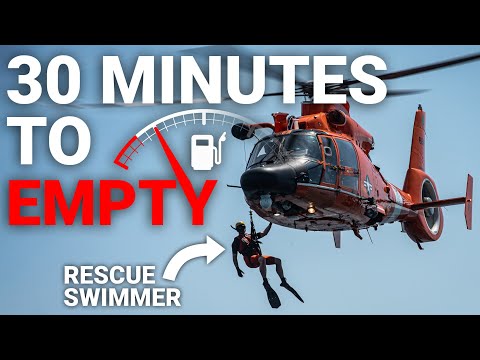
We're going to explore the MH65 Dolphin, an incredible aircraft
12 chapters
- Introduction to the MH65 DolphinSeries ContextThis video is part of a deep dive series on the US Coast Guard, following previous episodes about rescue operations, boats, and search patternsAircraft OverviewThe MH65 Dolphin is an incredible rescue helicopter, though the Coast Guard is transitioning to the newer Jayhawk platformExpert IntroductionDestin is joined by AMT 1 James Hockenberry, an Aviation Maintenance Technician first class who serves as a flight mechanic and hoist operatorEpisode FocusExploration of everything about how the MH65 Dolphin works, from structural components to operational systems
- Tail Rotor and Stabilizer DesignTail Rotor FunctionThe tail rotor acts as a fan that counteracts the main rotorhead turning, pushing in the opposite direction to keep the aircraft straightControl Mechanism• Controlled by pedals in the cockpit through the tailrotor drive shaft • Hydraulic actuators push in and out to make the blades turn • Uses military red hydraulic fluid rather than civilian blue (Skydrol)Stabilizer Design• Vertical and horizontal stabilizers provide additional stability • At speeds of 80 knots or above, the tail is not needed • Vertical stabilizer and fins are tilted to counteract blade rotation effectsMaterial CompositionThe tail fenestron is made of fiberglass, kevlar, and carbon fiber to keep weight minimal
- Aircraft Lighting and Antenna SystemsVisible LightingThe helicopter uses LED lights for nighttime operations and general illuminationInfrared CapabilityInfrared lights are used during secret squirrel missions where the aircraft goes blacked out, turning off all visible lightsRotary Wing InterceptThe Coast Guard performs RWAI (Rotary-Wing-Intercept) missions, primarily conducted out of Atlantic CityCommunication Equipment• High frequency antenna for long-range communications • Coast Guard identification light on the fuselage • Additional lights positioned on the aircraft ends
- Engine and Power SystemsEngine CycleThe helicopter follows the standard engine cycle: intake, compression, combustion, and free power turbinePower Generation• Two hydraulic reservoirs (primary and secondary) supply servos and actuators • Uses Mobilejet 254 engine oil for the engine reservoir • JP8, Jet A, and similar aviation fuels power the enginesTemperature MonitoringThermal couples measure turbine gas temperatures (TGT) and send data to the cockpit for monitoringDigital ControlFADEC (Full Authority Digital Engine Control) monitors all engine systems and parameters in the cockpit
- Rotor Head and Cyclic ControlCyclic ControlsMechanics work with right, left, forward, and aft inputs that appear opposite due to gyroscopic procession of the rotating bladesGyroscopic EffectsWhen the rotor system turns, the helicopter bites in the direction opposite to the control input due to gyroscopic processionTrack and Balance• Mechanics measure blade track distance based on pitch control rod (PCR) positioning • Adjustments made with weight additions and trim tab bending • Three-stage process: ground hover, and flight checksMaintenance ComplexityAfter major inspections, the rotor head is removed and the pitch control rod is readjusted with new components
- Hoist System and Rescue OperationsHoist Configuration• 3,000 PSI hydraulic system controlled electrically • Booms in and out electrically via handheld pendant control • Moves up and down hydraulicallyOperating Speeds• Maximum speed: 200 feet per minute for normal hoisting • First 10 feet: 50 feet per minute for controlled lowering • 240 feet of stainless steel cable availableOperational HeightPreferred hoisting height is 35 feet above water, which is in ground effect and provides more power while minimizing pendulum hazardsSafety Considerations• Too-fast hoisting can injure swimmers • Two-blocking (full up) can jerk and hurt a person's back • 600-pound maximum weight capacity for rescues
- Pendulum Physics in Rescue HoistingPendulum EffectWhen hoisting a person, momentum conservation causes the pendulum swing to amplify as the cable length decreasesRising Phase DangerSmall initial swings become worse and worse as the person is hoisted up due to decreasing cable length and conservation of momentumLowering Phase HazardA small swing starting at high altitude becomes much larger as the person descends, creating dangerous collision risk with boat riggingOperational StrategyFlying lower to the water reduces pendulum effects and minimizes risk to swimmers from dangling rigging on shrimping boats
- Float System and Water SafetyFloat ActivationHelium-pressurized floats are activated by pilot controls on the collective, copilot controls, or a manual shot switchTiming RequirementFloats must be activated before the helicopter touches water since they are not water-activatedBuoyancy DurationThe helicopter will stay afloat for approximately four minutes in light winds with floats deployedEmergency PreparationThe heavy rotor head causes the aircraft to roll over after ditching, so training emphasizes water survival and egress procedures
- Cockpit Layout and Crew PositionsPilot vs CopilotUnlike cars, the pilot sits on the right and copilot on the left due to the French aircraft design originPilot AuthorityThe pilot-in-command sits near the hoist and makes all operational decisions about rescue proceduresCrew Seats• Both pilot and flight mechanic seats move left and right • Flight mechanic seat swivels 360 degrees • Swimmer seats were upgraded 7-8 years ago with improved ergonomics and mobilityEmergency FeaturesEmergency exit door normally closed except for engine maintenance or egress in water emergencies
- Interior Components and Structural MaintenanceCorrosion ManagementCorrosion is the primary enemy of the aircraft; water from wet swimmers creates conditions where the fuselage corrodesCritical Structure• Main structural frames are highly susceptible to corrosion • Stringers are critical load-bearing elements that ground the aircraft if corroded • Texas patches and fish plates reinforce areas prone to crackingElectronics Systems1980s-era Rockwell Collins avionics and electronics require maintenance by AET (Avionics Electrical Technician) specialists rather than AMT mechanicsInspection ScheduleRegular inspections on 7, 14, 30, and 90-day cycles focused on finding and preventing corrosion before structural failure
- Emergency Equipment and Team CamaraderieCable Cutting ToolsCable cutters aboard allow flight mechanics to sever the hoist cable in emergencies for crew egressQuick Splice Device• Titanium quick splice reattaches the cable in emergencies without full recovery • Rated for 600 pounds like the main cable • Limits hoisting to 50 feet per minute and prevents two-blockingCrew PhilosophyFlight mechanics view swimmers as family and heroes; swimmers see flight mechanics as essential to their survivalMission DedicationThe entire crew operates with the goal of bringing rescued swimmers back to the aircraft and home safely, never leaving anyone on scene
- Conclusion and Series ContinuationUpcoming ContentDestin will become the duck (rescue basket subject) on Lake Pontchartrain in New Orleans to experience actual rescue operationsSeries IntegrationThe Smarter Every Day Coast Guard series continues with practical demonstrations of all the helicopter systems in actionViewer Engagement• Subscription available on YouTube channel • Email list at smartereveryday.com for video upload notifications • Patreon support at patreon.com/smartereverydayClosing MessageDestin thanks supporters and reiterates the channel's mission to help viewers get smarter every day