

Jungle Loom Operation - Smarter Every Day 10
3 chapters
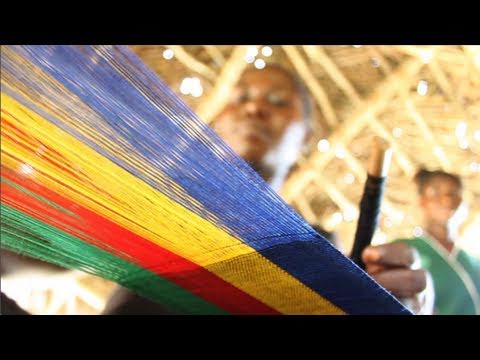
- Introduction to the LoomSetup OverviewDestin observes a woman named Se demonstrating how a loom works while making cloth for his daughter.Key Components• Comb - used in the weaving process • Loom - the main weaving apparatus • Thread - the material being wovenBasic OperationSe swaps threads back and forth between the comb and loom to create the weaving pattern.Visual PatternThe weaving creates a triangular pattern as the threads are interlocked together.
- Mechanical Design and TensioningMobile SetupThe entire tripod holding the loom can be moved as the thread extends further down the line to maintain consistent tension.Stabilization System• Clamp mechanism to secure the thread in place • Fixed anchor point at one end of the setup • Secondary anchor point at the opposite endThread PathLoops are positioned at the top and bottom, with thread running between them to maintain the weaving structure.Tension ManagementThe system uses loops and anchor points to keep thread tension consistent as weaving progresses.
- Compensation and StabilityOperator KnowledgeUnderstanding your position and relative motion is essential to compensate for changes during the weaving process.Natural CompensationAnimals like chickens demonstrate exceptional ability at maintaining stability - their heads remain stationary while their bodies move in any direction.Practical ApplicationThe loom operator must similarly adapt body position and movement to maintain consistent weaving tension and quality.Balance and ControlThe combination of mechanical design and operator awareness creates a system that maintains stability throughout the weaving process.