HOW TO VIDEO THE ECLIPSE - Smarter Every Day 2
5 capitulos
- Introduction to the Drift MethodChannel PurposeSmarter Every Day 2 is a secondary channel for simpler content that doesn't warrant its own video on the main Smarter Every Day channel.Eclipse Recording Plan• Using modern 4K cameras to capture still images from video • Setting up one camera to record the eclipse with the sun drifting across the field of view • Possibly taking additional photographs with another camera while enjoying the eclipse with familyThe MethodDr. Gordon Telepan taught the drift method, a clever technique for capturing the eclipse without complex photography.Viewer ValueThe drift method allows viewers to capture the eclipse and extract still images from video without worrying about high-tech photography.
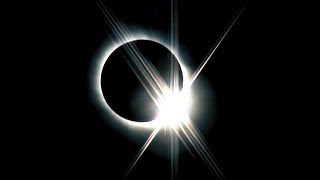
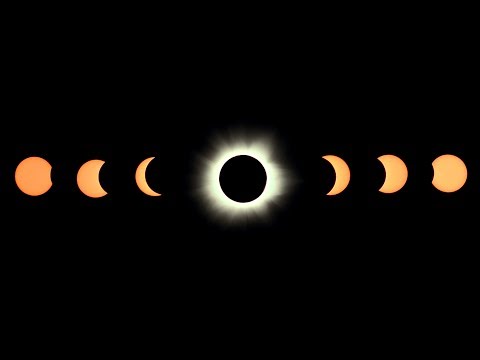
- How the Drift Method WorksPreparation Phase• Practice outside before eclipse day with video cameras at maximum optical zoom • Use a solar filter during practice • Time how long it takes the sun to drift from the left side to the right side of your LCD screen • If optical zoom is not powerful enough, consider buying a 2X converterZoom AdjustmentAdjust your zoom level so the sun takes 7 minutes to drift across your entire LCD screen field of view.Recording Timeline• Start recording 2 minutes before totality • Remove the solar filter about 20 minutes before C2 (second contact) • Let the eclipse drift across the screen • Replace the solar filter at C3 (third contact) • Record an additional 2 minutes after for crowd audioKey AdvantageWith this method, you don't have to manually track the eclipse—just let it drift and pop the filter on and off. You can capture high-quality video and extract still images like Bailey's beads and the diamond ring effect.
- Technical Setup and PreparationScreen Guide Creation• Cut a piece of transparent plastic to fit over your camera's LCD screen • Draw horizontal lines across the center of the screen using a metallic Sharpie • These lines mark where the sun should stay during recordingDirectional Alignment• In the middle of the country, the eclipse will be mostly horizontal, so keep your camera horizontal • In Oregon and on the East Coast, the eclipse will be rising, so pitch your camera and align the sun track accordingly • On the East Coast, the eclipse will be setting, so pitch your camera the opposite way to keep the sun within the guide linesTiming Requirements• 2 minutes before totality to start recording • 2 minutes and 40 seconds during maximum eclipse for totality to drift • 2 minutes after totality for capturing crowd audio • Total of 7 minutes of recording neededPre-Eclipse TestingPractice and test the zoom level a couple of days ahead of time to understand if the eclipse will be rising or falling at your location.
- Camera Settings and Solar FilterRequired EquipmentUse a metallized glass solar filter on your camera to safely observe and record the sun during practice and the eclipse.Zoom Calibration• Test different zoom levels during daytime practice to find the setting that makes the sun take 7 minutes to cross your screen • For locations with shorter totality (around 1.5 minutes), you can adjust to a 5-minute drift instead • Aim for the biggest possible eclipse images while maintaining the required timeManual Controls• Use manual focus set to infinity • Use manual exposure mode • Avoid autofocus and auto exposure • Adjust exposure at the midpoint of totality by bumping it up slightlyAction Checklist• Remove solar filter during totality • Make one exposure adjustment at the midpoint • Replace solar filter after totality • Let the camera run in the background without further adjustments
- Summary and ResourcesMethod RecapThe drift method allows you to record the total eclipse with 4K cameras, extract still images from the video, and print high-quality photos without worrying about complex photography techniques.Simplicity Benefits• Set up once and let it run in the background • Focus on the eclipse and crowd reactions instead of adjusting equipment • Only three manual tasks: remove filter, adjust exposure, replace filter • Captures audio of crowd reactions naturallyExpert InsightDr. Gordon Telepan previously recorded a total eclipse in Africa on film before HD video was available, and is excited about the quality possible with modern 4K camera technology.Contact InformationFor eclipse contact times and detailed planning information, visit www.solareclipsetimer.com.