Navy SEAL Astronauts - Smarter Every Day 243
Learn about the top people that exist - Navy SEAL astronauts
21 capitulos
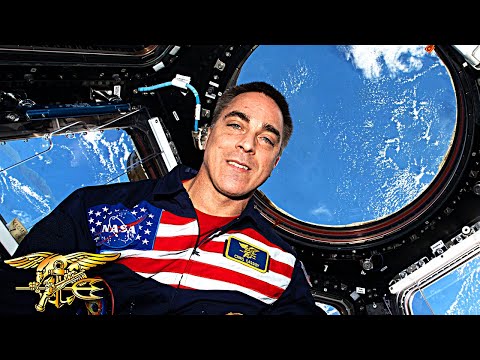
- Chris Cassidy's Background and ExperienceEducationAttended Naval Academy and earned a master's degree in ocean engineering from MIT.SEAL TrainingCompleted BUDS training with 120 recruits of varying physical types. Success depends on mental fire, never-quit attitude, and heart rather than physical appearance.SEAL Qualities• Never quit attitude • Innate fire in the gut • Reliable to the end • Embodiment of SEAL ethos: My word is my bond, I will not fail, I am never out of the fightAstronaut RoleRepresents the crossover between military special operations and space exploration, about to perform a spacewalk from the International Space Station.
- Seal Delivery Vehicle and Submarine OperationsEquipment StructureSeal delivery vehicle fits inside a dry deck shelter, which is mounted to a full-size submarine - like nesting Russian dolls.Vehicle Controls• Left and right stick for horizontal control • Altitude and bearing indicators for navigation • Doppler navigation system • Pressure gauges and scuba connection pointsMission OperationsSEALs submerge with predetermined intelligence but must solve problems creatively using only the equipment and information available to them underwater.Unique ChallengeOperating independently without radio contact or overhead coverage - the two-person team uses math and navigation to reach objectives based solely on their knowledge and skill.
- Special Operations vs. Military TrainingCore DistinctionMany military personnel can shoot accurately, run fast, and jump from airplanes, but special operators excel at thinking through problems creatively.Key SkillAbility to adapt when situations are completely out of the box - not just executing training scenarios but solving unexpected problems with available resources.Deployable AssetA Navy SEAL is essentially a deployable asset that can be launched from any moving vehicle at any time with an objective and must use their brain to figure it out.ApplicationThis problem-solving mentality and adaptability is exactly what makes Navy SEALs successful astronauts in challenging space environments.
- Chris Cassidy on Spacewalks and EVAUltimate VehicleThe International Space Station represents the ultimate vehicle to exit - performing spacewalks is a passion and unlike any other astronaut experience.Space RealityWhile on station, routine work like emails and carrying bags makes it easy to forget being in space, but exiting the airlock and closing the gold visor brings immediate reality check.Emotional ExperiencePutting on a spacesuit and exiting into the vacuum of space is a profound sense of accomplishment, teamwork with ground teams, and connection to the broader mission.Upcoming MissionLaunching April 9th with a planned spacewalk around April 11-13 with Drew Morgan, procedures still being finalized.
- Career Reflection and Final Spacewalk UncertaintyAge FactorAt 50 years old on third space mission, this could potentially be last spaceflight, making it emotionally different than previous missions.Mindset ShiftEarlier in career assumed more spaceflights would happen, but now appreciates every day and tries to get smarter each day.Mixed FeelingsPreviously happy returning inside after hard day, but now uncertain if will get opportunity again - may bring different feelings on return.PerspectiveMature enough to appreciate the possibility this could be the last spacewalk and all that implies for a career astronaut.
- Neutral Buoyancy Lab and SEAL DiversTraining FacilityThe Neutral Buoyancy Lab is a large pool where astronauts train in spacesuits with divers helping achieve neutral buoyancy - not going up, down, or spinning.SEAL ConnectionSeveral safety divers at the facility are Navy SEALs, creating intersection between special operations and space training communities.Training Differences• SEALs can train with combat scenarios and role players on ground • Space training requires different approach - mock-ups, pool training, and virtual reality computersBrotherhood RecognitionMeeting a SEAL from different BUDS class creates immediate bond - shared suffering and understanding of how person reacts under stress transcends time and class year.
- Historical SEAL and Space ConnectionApollo ProgramUnderwater Demolition Team recovery teams trained in Apollo capsules as models to prepare for actual splashdowns during Mercury, Gemini, and Apollo missions.Recovery Operations• Frogmen connected flotation collars to capsules to prevent sinking • Opened hatches to ensure astronauts were loaded safely aboardLong-Standing RelationshipConnection between space and underwater demolitions/Navy SEALs goes back decades to early space program.Modern AstronautsCurrent Navy SEAL astronauts continue this legacy - Bill Shepard, Chris Cassidy, and Johnny Kim represent modern continuation of this unique intersection.
- Johnny Kim's Remarkable JourneyMilitary ServiceEnlisted in Navy at age 18 right out of high school, completed BUDS training to become a Navy SEAL.Combat Record• Completed over 100 combat operations • Received Silver Star • Received Bronze Star with Combat V for valorEducationStudied mathematics as undergraduate, later attended Harvard Medical School where he earned his medical degree in 2016.Multiple IdentitiesMedical doctor, Navy SEAL, and astronaut - embodying service to others across military, medicine, and space exploration.
- Johnny Kim on Service and CommunityShared HumilityWorking with amazing people who have sacrificed and bled for their duty across SEAL teams, military, and medical fields.Service Theme• In military: colleagues who gave their lives for duty • In medicine: front-line workers sacrificing in coronavirus situation • In astronaut corps: continuation of service ethicLife PhilosophyService to others is the thread connecting all three careers - this consistent focus on helping others has always stuck with him.Personal ReflectionDescribes himself as blessed to have opportunities across these elite communities - an other-centered person driven by service rather than personal achievement.
- Advice for Future SEAL CandidatesSoul SearchingDo deep introspection to understand your true motivations - are they service-oriented or superficial reasons like impressing others.Right Reasons• Motivation must be service to others • Not about using SEAL status to advance career • Must have intrinsic desire to serve, not fulfill preconceived notions about impressing parents or societyTeam IntegrityPeople who join SEAL teams are all-in with all chips on the table - they deserve to fight alongside others with same commitment and right motivations.Sustainable LivingService to others is a sustainable way of living that applies to both military service and broader life philosophy.
- Astronaut Training from SEAL PerspectiveBig ShoesBill Shepard was first Navy SEAL to become astronaut and first ISS Commander on Expedition One - set high standard for successors.Learning from ChrisJohnny Kim learned EVA tips from Chris Cassidy, particularly not to fight the spacesuit but make it work for you instead.Suit Strategy• Spacesuit is pressurized vessel that will win if you fight it • Must learn to leverage suit joints and range of motion • Use suit mechanism to accomplish desired movementsCommon ThreadAll SEALs love hard things - Chris has filled Bill Shepard's shoes well and leaves path for younger SEALs like Johnny Kim to follow.
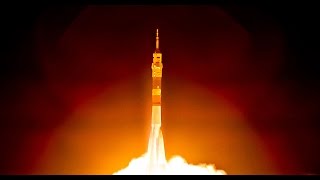
- Commercial Space and ISS OperationsMission TimelineChris Cassidy launched April 9th on one of last remaining American astronaut missions on Russian Soyuz vehicle.ISS Transition• Commercial crew vehicles now coming online for testing • Need persistent American presence on ISS during transition period • Chris Cassidy becomes commander of Expedition 63Dragon CapsuleBob Behnken and Doug Hurley arrived at ISS in Dragon capsule propelled by Falcon 9 rocket, enabling Chris to continue critical work in space.Unique PositionChris is currently only American astronaut in orbit, well-suited for adapting in strange situations as transition happens.
- Preparation and Planning for SpacewalksSimilar ProcessesPreparing for seal missions and EVAs follow same principles - mitigate risks against both known and unknown factors.Planning Phase• SEAL missions: gather intelligence on target, enemy forces, compile plan with available resources • EVAs: gather data on environment, suit, tools, equipment - compile plan togetherExecution StrategyBoth involve rehearsal of plan, then execution while anticipating deviations - level of preparation determines how adaptive you can become when things go wrong.The EnemyIn SEAL missions enemy is opposing forces, in EVAs the enemy is the environment trying to harm you or unknowns like mechanical failures.
- Real-Time Decision Making in SpacePool TrainingTeam pulls data together and runs through plan in Neutral Buoyancy Lab pool with different astronauts multiple times to test and refine details.Plan Execution• Most spacealks execute planned procedures exactly as written • One mission had zero deviations • Most extreme case involved real-time adjustments during water leak in spacesuitTeam CollaborationSpacesuiters converse with EVA buddy and ground team engineers who have technical diagrams and specs - decisions made as coordinated team.Individual SensitivitySpacesuiters feel bolt performance through cordless drill and Pistol Grip Tool, allowing mechanical sensing to guide real-time adjustments and decisions.
- Water Leak Emergency During SpacewalkProblem DetectionLuca detects water in his spacesuit during EVA - liquid visible in eyes, increasing amount, appears to be coming from cooling system or sweat accumulation.Real-Time Discussion• Chris and Luca discuss observations • Ground team monitors data from equipment • Team determining if leak is CVG cooling system or water from other sourceDecision MakingBased on Lucas report of water in eyes and increasing amount, ground team decides to terminate EVA for safety of the spacewalker.Regular ChallengesTypical spacewalk issues involve mechanical equipment not functioning properly - spacesuiters with hands on hardware and feeling forces make important real-time judgments.
- International Collaboration on ISSMilitary BackgroundIn SEAL teams and special operations, multinational collaboration was already familiar - working with military forces from all nations regularly.Space PartnershipInternational Space Station is perfect extension of this - program built by multiple nations, bringing different cultures and points of view together.Solution ValuePulling together multiple countries, cultures, and viewpoints makes solutions better, more robust, and better thought through.Future VisionInternational collaboration will continue as humanity moves beyond ISS to the Moon and Mars - multiple nations working together on these great endeavors.
- What Makes Great AstronautsInitial AssumptionOriginally thought Navy SEAL astronauts succeed because of toughness and ability to overcome challenges.Key Attributes• Humility • Service to others • Teamwork • Ability to adapt in strange situationsSurprising DiscoveryMore important attributes are those expected from humility and service focus rather than raw toughness and physical capability.Common ThreadAll three Navy SEAL astronauts - Bill Shepard, Chris Cassidy, and Johnny Kim - share these values of humility, service, and teamwork.
- International Space Station as Peace AchievementResearch MilestoneThis year marks 20 years of continuous human research onboard International Space Station with participation from 15 nations.Global Impact• Five space agencies involved • 15 nations represented • Research programs for over 100 countriesPeace SymbolInternational Space Station represents most peaceful venture ever undertaken by humans - worthy of highest praise but has never won Nobel Peace Prize.Symbolic VictoryChris Cassidy's name in Cyrillic on spacesuit alongside Navy SEAL trident perfectly symbolizes what humans can accomplish through international cooperation.
- Conclusion and Vision for FutureUnique PerspectiveSpace has unique way of bringing people together, even those trained to fight each other - creating opportunities for cooperation over conflict.Key InsightAs humanity moves to the Moon and beyond, what we can accomplish depends on continuing to work together across nations.EncouragementSeeing Navy SEALs become astronauts demonstrates that humanity's greatest achievements come through service, humility, and international collaboration.Final MessageGetting smarter every day through understanding how elite communities operate, learn, and commit to service - a philosophy applicable to all.