Why You Didn't Die at Birth - Smarter Every Day 42
5 capitulos
- Introduction to Birth and BreathingThe QuestionDestin poses a fundamental question about how babies transition from breathing liquid inside the womb to breathing air in the gaseous environment outside.The Context72 hours before filming, Destin's son was living in a liquid environment inside his mother's womb, and now he must adapt to breathing air.Expert ConsultationTo understand this process, Destin visits Dr. Schuster, a baby delivery doctor, at his home to learn about the biological mechanisms involved.Personal ConnectionDestin's family is at the hospital to have their third child, making this educational exploration personally relevant and timely.
- The Birth Process and First BreathFluid ExpulsionAs the baby is squeezed through the birth canal, fluid (urine and waste from the baby) that filled the lungs is expelled from the body.First Breath MechanismThe baby takes its first gasp of oxygen, which triggers huge changes in the circulation of the baby and allows autonomous breathing to begin.Cardiac ChangesThe first breath triggers a couple of valves in the heart to change circulation, essentially rewiring the plumbing of the heart for air-breathing life.Significance of the First CryThe baby's first cry represents the moment it becomes autonomous and begins breathing real oxygen instead of its own waste products.
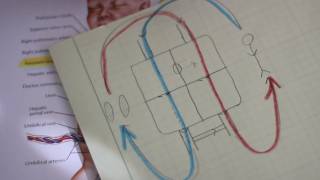
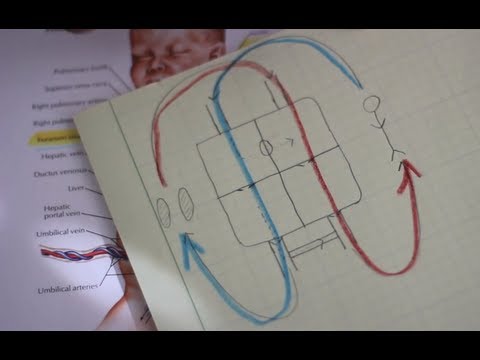
- Heart Valves and Fetal CirculationThe Foramen OvaleA big flap between the right and left atrium of the heart that closes once the baby gets its first breath of oxygen.Pre-Birth Blood Flow• Before birth, the foramen ovale and ductus arteriosus divert blood from the lungs • Only about 7 percent of blood flow goes to the lungs before birth • The lungs are small and not inflated in the wombPost-Birth Changes• The foramen ovale closes in about one hour after the baby's first breath • The ductus arteriosus becomes a ligament after about 5 days • Blood flow to the lungs returns to 100 percentEngineering ExplanationDestin uses engineering diagrams to illustrate the four-chambered heart and how blood circulation changes from the fetal state (where lungs are bypassed) to the air-breathing state.
- Hospital Observations and Newborn BehaviorFirst Signs of LifeDestin's newborn son emerges alive and well, with his lungs working and breathing air. He makes an audible change from fluid to air breathing.Medical ProceduresA nurse inserts a tube down the baby's throat to suction out amniotic fluid, and the newborn responds by vocalizing his reaction.Ultrasound EvidenceAn ultrasound from 5 months before shows all four chambers of the heart and the foramen ovale that Dr. Schuster explained, providing visual confirmation of the anatomy discussed.Practical LearningDestin uses engineering paper to diagram and understand the heart's structure and the circulatory changes, making the complex biology accessible through visual engineering principles.
- Final Observations and WonderPersonal MomentAfter the nurses leave, Destin explores the hospital equipment and interacts playfully with his newborn, showing the human side of the medical experience.Equipment ExplorationDestin discovers and demonstrates active tracking technology using a light source and a wand, showing how the system follows the movement.Newborn ResponseThe newborn initially appears asleep but wakes when exposed to the bright light, demonstrating basic sensory responses.Educational TakeawayThe episode concludes by celebrating that the baby is 'Getting Smarter Every Day,' reinforcing the show's educational mission while documenting a profound biological transition from fetal to independent life.