HOW TO VIDEO SHADOW SNAKES (Solar Eclipse Shadow Bands)
4 chapitres
- Understanding Shadow Bands and Exposure ChallengesWhat Are Shadow BandsShadow bands are subtle optical phenomena visible during a solar eclipse with very light contrast that are difficult to capture on video because they are too bright during the day to properly expose for their low contrast.The Exposure Problem• During daylight, the contrast is too light and blown out by sunlight • Manual or shutter priority mode must be set up the night before • Cannot adjust camera settings during the eclipse when the sun is overheadTesting SolutionDr. Kelvins diluted gray paint with white multiple times to create a reference that matches shadow band contrast, testing through several iterations to find the correct very light gray tone.Key InsightThe contrast of shadow bands is so faint that proper camera calibration must be done at night, approximately 10-15 minutes after sunset when ambient lighting matches the eclipse shadow band brightness.
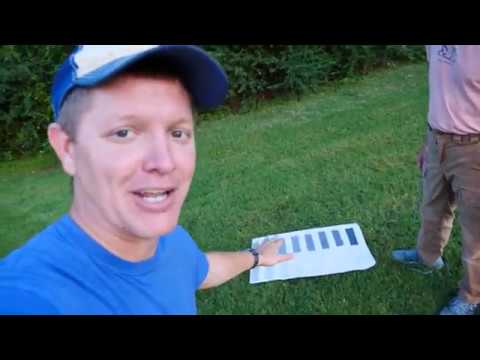
- Camera Settings for Shadow Band CaptureManual Exposure Setup• Use manual exposure mode • Prioritize fast shutter speed (250, 500, or 1000 per second) • Open aperture as wide as possible (f/2.8 or wider) • Set ISO around 400Why Fast Shutter SpeedShadow bands move quickly and change rapidly, so a fast shutter speed prevents motion blur and captures fine detail of their movement.Calibration MethodSet up your camera the night before at sunset on a light gray reference panel, adjusting aperture, ISO, and shutter speed until you can see fine variations in contrast between the gray samples.Do Not AdjustOnce properly calibrated the night before, leave all camera settings unchanged for the next day during the actual eclipse.
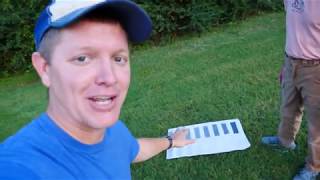
- Physical Setup and PositioningReference Panel Preparation• Use a white sheet as the background • Place a pink line down the center of the sheet along the eclipse path axis • Keep the light gray calibration reference visible in the frameCamera OrientationPosition the camera on the west side pointing toward the east, aligned with the direction shadow bands will travel along the eclipse path.Directional AlignmentVideo along the long axis of the sheet in the direction the shadow is moving, with the camera positioned to capture the full length of the sheet.Contrast CalibrationKeep the light gray calibration panel visible in the shot so you can compare actual shadow band contrast to your calibration reference later.
- Timing and Recording GuidelinesUsing the Eclipse TimerUse the solar eclipse timer app to know exactly when to start recording, marking shadow bands at 3 minutes before totality.Recording Window• Start recording approximately 3 minutes before shadow bands appear • Shadow bands should occur about 60 seconds before totality • Continue recording for 60 seconds after totality endsCritical TimingShadow bands are brief and fast-moving, so precise timing using the eclipse app ensures you capture the phenomenon during the window when it occurs.Future ReferenceCompare your recorded footage to the light gray calibration panel you kept in frame to calibrate exposure settings for the next eclipse event.