
Helicopter Physics Series - #5 Autorotation = NO PARACHUTE! - Smarter Every Day 50
Helicopter Physics Series - exploring how helicopters work
6 chapitres
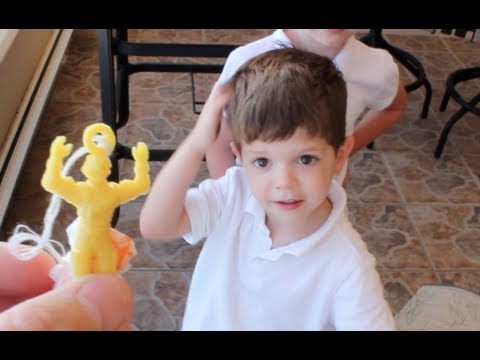
- Introduction to Helicopter SafetyOpening ContextDestin welcomes viewers back to the Smarter Every Day helicopter series and introduces the concept of parachutes used by airplane pilots for emergency situations.Practical DemonstrationDestin and his son test a toy parachute by throwing it from a balcony, which lands in the ocean, illustrating basic parachute functionality.Core QuestionIf airplanes have parachutes for safety, what happens when a helicopter loses engine power and begins to fall?Preview ConceptHelicopters have a built-in safety mechanism that doesn't require jumping out, related to how the rotor system can be used to descend safely.
- Understanding Autorotation PhysicsThe ProblemWhen a helicopter loses engine power at altitude, the aircraft and its weight are suspended by the rotor system that suddenly has no power.The Solution• Decrease blade pitch to allow gravity to spin the rotors very fast, creating a windmill or pinwheel effect • Right before impact, increase blade pitch to convert rotor momentum into lift for decelerationManeuver NameThis emergency procedure is called autorotation and has saved helicopter pilots for many years.Real-World EvidenceHelicopter pilots have successfully executed autorotations from altitudes as high as 40,000 feet.
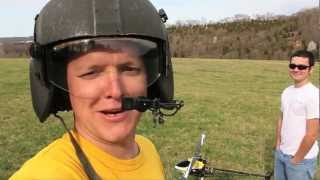
- Autorotation Demonstration SetupExpert IntroductionCarl, a helicopter pilot, is introduced to demonstrate autorotation in a real helicopter.Demonstration PlanCarl will take the helicopter up several hundred feet, shut off the motor completely, and fly it to the ground entirely without power using autorotation.Stakes AcknowledgedDestin notes that the helicopter being used for the demonstration is expensive, and Carl confirms he understands the risk involved.Viewer ExpectationThe demonstration is about to show viewers how autorotation works in practice with a real aircraft.
- First Autorotation: Normal DescentAltitude PointCarl reaches approximately 300 feet in altitude before initiating the emergency procedure.Motor ShutdownCarl turns the motor off completely, and the helicopter begins descending without any engine power.Technical Explanation• Carl reduces the pitch of the blades to allow them to spin • Air being forced through the rotor system by gravity spins the blades rapidly • This creates a windmill effect that keeps the blades rotatingSuccessful LandingThe helicopter descends smoothly and lands safely while remaining upright throughout the maneuver, demonstrating helicopter safety superiority over airplanes.
- Advanced Autorotation: Inverted FlightChallenge ProposalCarl suggests repeating the autorotation demonstration but with the helicopter inverted (upside down) to show the maneuver's advanced capability.Safety Confirmation• Destin initially jokes that he's not impressed, prompting Carl's challenge • Carl and Destin both confirm this is an executable maneuver • Destin humorously disclaims responsibility for the outcomeExecution DetailsCarl flips the helicopter upside down while it is completely unpowered and descending, demonstrating the technique's versatility.Impressive ResultThe helicopter successfully completes the inverted autorotation and lands safely, proving that autorotation works even in unconventional orientations.
- Conclusion and Series InformationKey TakeawayHelicopters are significantly safer than initially thought due to their built-in autorotation capability, which functions as an automatic safety system.Series ContextThis episode is part of a larger series about helicopter physics and control systems that Destin and Carl are producing together.Call to Action• Viewers are encouraged to watch the complete helicopter control series for more information • Carl's contact information has been included in the video description • Viewers are asked to subscribe to the channelCreditsCaptions provided by Andrew Jackson, with invitation for multilingual caption contributions.