
Chicken Powered Steadicam - Smarter Every Day
4 chapitres
- Introduction to the Vestibulo-Ocular ReflexBackgroundDestin previously created a chicken head tracking video demonstrating the vestibulo-ocular reflex, which keeps a chicken's head stable.Viewer SuggestionPeople repeatedly suggested creating a camera stabilization unit using a chicken as the stabilizing mechanism.ChallengeAfter waiting two years for someone else to attempt it, Destin decided to pursue the idea himself.ObjectiveFigure out how to attach a camera to the top of a chicken without causing harm to the animal.
- First Attempt with Camera RecorderEquipment ChoiceUsing a $10 video recorder for the initial test.TestingAttached the recorder to a chicken and began recording.ObservationThe rooster reacted strongly to the attachment, requiring Destin to remove the device quickly.ResultFirst attempt demonstrated the difficulty of keeping an animal calm while carrying equipment.
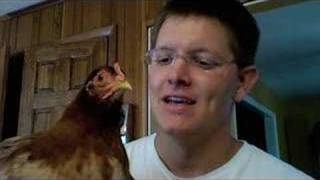
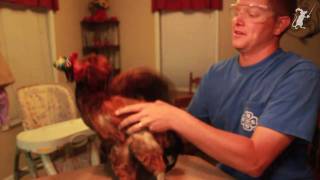
- Second Iteration with Larger RoosterEquipment SelectionUpgraded to chicken camera version 2.0 using a larger rooster with better physical characteristics.Physical Advantages• The larger rooster had notable spurs, requiring safety glasses for protection • The rooster possessed a longer neck suitable for camera mountingKey DiscoveryLearned that keeping the rooster calm is essential for the camera to function properly during head tracking.SetupAdjusted the camera angle to look straight ahead relative to the chicken's viewpoint.
- Testing the Stabilization EffectConceptTesting whether the chicken's natural head stabilization would work as a camera stabilization system.Variable DistanceObserving that hand proximity to the chicken affected the stabilization response, with closer distances producing stronger effects.ResultsThe chicken's vestibulo-ocular reflex successfully stabilized the camera image during movement.OutcomeSuccessfully demonstrated that a chicken can function as a practical steadicam for video recording.