
4th of July Fireworks Chemistry - Smarter Every Day 14
3 chapitres
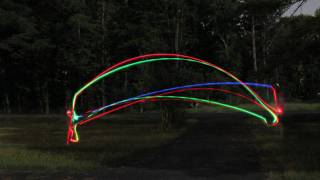
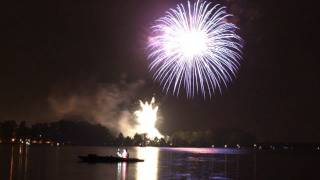
- Introduction to 4th of July Fireworks TraditionAnnual TraditionDestin documents his yearly 4th of July tradition by photographing the fireworks show from the river using time-lapse and open shutter photography.Setup Details• Shot from the Bickering Nag positioned opposite the fireworks show on the river • Stay close to the bank to avoid motorized vehicles • Solo outing this year while family members had other commitmentsPhotography ApproachUses time-lapse and open shutter photography techniques to capture the fireworks displays.Learning GoalDestin decided to research and learn about the chemistry behind fireworks colors to better understand what he was photographing.
- Fireworks Chemistry and Color ScienceImportant ClarificationFireworks use chemical compounds created with elements rather than pure elements being burned.Color Elements• Red: strontium • Orange: calcium salts • Electric white: magnesium or aluminum • Blue: copper • Green: barium • Yellow: sodium compoundsComplex Colors• Gold: iron combined with potash or carbon • Purple: combination of strontium and copper creating red and blue togetherPersonal ContextDestin acknowledges he has historically been poor at chemistry but made an effort to research and learn the chemical basis of fireworks colors.
- Reflection and ConclusionFavorite TraditionThis annual fireworks photography project is one of Destin's favorite traditions that he looks forward to every year.Family Impact• Kids normally enjoy this tradition and find it one of their favorite activities • Had to go to bed early this year because the fireworks show started late • Wife was unable to attend this yearVisual AppreciationDestin hopes viewers enjoy the photographs and find the chemistry of fireworks colors interesting and visually cool.Closing MessageReminds viewers that they are getting smarter every day and encourages them to share the content with others.