How To Turn Your Loop Into A Song #1 - Inspiration and Production
6 chapters
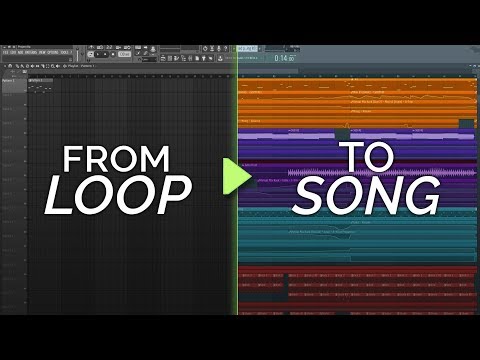
- Understanding the Loop ProblemThe ChallengeStruggling to expand a good loop or drum idea into a full song is a common problem, similar to writer's block for musicians.Real ExampleThe creator had a solid drum loop and bass idea but spent 20-30 minutes stuck in a loop without making progress on expanding it into a complete song.Song ReferenceThis tutorial uses an early demo project of the song 'Nothing to Lose' from the album Miav Oh No, which was originally structured differently before being refined.Project ContextThe creator was working solo experimenting with synths and drums while a collaborator named Brad was away, eventually creating a loop that felt cool but lacked direction.
- Building the Foundation with Drums and BassDrum SetupThe foundation started with a backbone of simple drums with processing, layered with a faded drum loop to add more character.Bass Foundation• Used Arturia's Mini Moog synthesizer to experiment with synth tones • Settled on a solid bass tone with reverb for ambience • Experimented with the cutoff filter to add movement and interestFirst BreakthroughAdded a small switch-up at the end of the bass pattern instead of a simple resolution, which created the feeling that the song needed to go somewhere new.Pattern ExpansionExtended from four bars to eight bars and added a sub bass playing the lowest notes to give the track more substance and inspire further development.
- Adding Atmospheric and Melodic ElementsPad CreationExperimented with several dark and mysterious pad sounds with Brad's help to pick the right notes and make it shine, adding a sad and mysterious atmosphere.Melody Inspiration• Drew inspiration from Clint Mansell's Moon film score, which uses simple melodies fluctuating between two or three notes • Applied this philosophy of simplicity by choosing just two notes (E and F) for the lead • Slowed down the rhythm to create space for future vocals while maintaining a haunting qualityLead DecisionDeliberately kept the melodic lead simple and repetitive to leave room for vocal arrangements and to avoid overwhelming the track with complexity.Safe Layer AdditionAdded supporting elements without major commitment to inspire new ideas, recognizing that safe choices like simple bass or atmospheric pads can unlock creativity.
- The Breakthrough Moment with StringsCello DiscoveryTried a guitar initially but it sounded too 'blippy' and pop-oriented, so switched to a cello playing a simple two-note arpeggio that felt right and drove the song forward.Key TransformationThe cello addition was the biggest breakthrough that took the track from a loop into a song, creating movement and suggesting the need for further development.String Section ExpansionThe cello inspired the addition of a full string section that sounds like an entire orchestra but uses a more restrained arrangement, creating build and emotion.Creative CascadeOne unconventional choice (cello instead of guitar) inspired multiple downstream decisions, demonstrating how creative choices can unlock new directions rather than playing it safe.
- Techniques and Final OrganizationAutomation Power• Used automation on the bass cutoff filter to add movement and push toward new sections • Applied automation to cello and strings with rising and falling patterns to signal progression • Automation prevents stagnation by suggesting the track is moving forward rather than resolvingCollaboration Next StepOnce the loop broke free into a recognizable song structure, shared the idea with Brad who understood the emotional intent and contributed full lyrics within a day or two.Song StructureReorganized the demo project into proper song sections (intro, verse, pre-chorus, bridge, chorus) with pitch adjustments to better accommodate vocals.Key Takeaways• Play your song on keys to discover new note endings and ideas • Experiment with automation to create movement and signal progression • Use safe layers like sub bass or pads to inspire new directions • Add a simple, easy-to-follow melody • Introduce high-energy elements like cello or guitar • Trust your instincts on where elements should go next
- Knowing When to Push Through or Step BackFinding BalanceBalance between fighting through creative blocks and knowing when to step back and rest, as spending ten hours on a non-working loop can be counterproductive.Trust Your InstinctsListen to your instincts about what direction the music needs to go, whether that's adding strings, collapsing into an anti-drop, or something completely different.Personal ProcessEach musician will discover their own method of working through blocks, so experimentation and self-awareness about what works for your creative style is essential.Final EncouragementDon't give up too soon when facing creative challenges, but also recognize when a different approach or break might be needed to unlock the next phase of development.