The Best Way To Use Effects When Producing
5 chapters
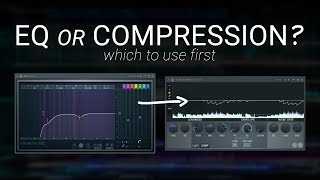
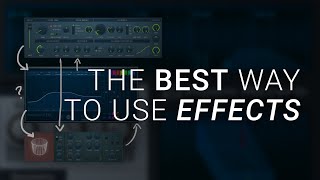
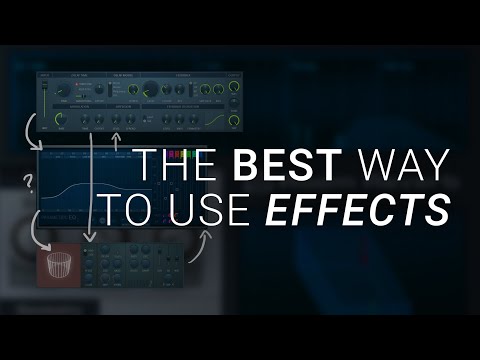
- Introduction to Effects OrderTopic OverviewThe order of effects in a production chain can make a significant difference to the final sound, either for better or worse.Previous DiscussionA previous video covered whether EQ or compression should be used first and the major sound differences this creates.Current Focus• Explores how reverb, delay, and other effects order impacts the sound • Shows multiple examples rather than prescribing one correct order • Demonstrates how effect order can be make-or-break for achieving desired soundscapes and texturesApproachRather than dictating what order to use, the video demonstrates several examples so viewers can choose based on their specific sound goals.
- Delay Effect OrderingInitial SetupA vocal track uses a delay effect on the last word, creating a stereo delay that hangs over the phrase.Chain Configuration• DB meter to show incoming signal • Gain plugin that automates to allow only the last word to reach the delay • Fruity Delay 3 plugin • DB meter to show outgoing levelOrder ImpactPlacing the gain plugin before the delay means only the last word gets delayed. If the gain is placed after the delay, all words get delayed and the result becomes cluttered and intense.Flexibility BenefitUsing a separate gain plugin instead of automating the delay plugin's input allows swapping different delay plugins without recreating automation, keeping the chain flexible and modular.
- EQ, Distortion, and Reverb InteractionEffects Chain• Simple staccato pluck lead processed through EQ, wave shaper distortion, and reverb • Each effect dramatically changes the sound when reorderedEQ Position EffectsPlacing EQ first creates a brighter sound because reverb and distortion add high frequency content back. Placing EQ last creates a duller sound by cutting high frequencies that the other plugins generate.Distortion ProminenceDistortion sounds more apparent later in the chain because reverb creates more volume hitting the distortion plugin, increasing gain staging and making the effect more active. EQ placement also affects whether high frequency distortion artifacts come through.Creative ChoiceDepending on the mix style, any of these orders could work—choose tasty distortion for energetic sounds or a lush signal without apparent distortion for atmospheric textures.
- Bass Processing Chain ExampleStandard OrderFilter removes high frequencies above 500 Hz, then Ozone Exciter adds distortion and grit to the bass sub. High frequency content still appears because the exciter adds harmonics to the filtered band up to 2 kHz.Reversed Order ImpactWhen the Exciter is placed before the filter, all the excitement and distortion are added first, then filtered away, creating an underwater and subdued sound.Sonic DifferenceA small change in effect order produces a drastic difference in the final sound—either bright and excited or dark and subdued.TakeawayEffect order decisions have enormous consequences for the final tone and character of the sound.
- Gain Matching and Final TipsGain Staging ImportanceWhen moving from plugin to plugin, match the gain levels so that bypassing and switching plugins on and off doesn't make the sound significantly louder or quieter.Why It MattersIf gain increases between plugins, it becomes harder to objectively evaluate what's working versus what just sounds louder. Matching levels helps isolate the actual effect of each plugin.Creative FreedomWhile gain matching is useful for critical evaluation, sometimes letting imagination run wild without worrying about level consistency can be creatively productive.Core Message• Effect order makes an enormous difference to the sound regardless of which effects are used • No single right or wrong order exists—all variations can work for different genres and styles • Test different orders and let your ears guide you to find what's right for your song