95% of people get THIS wrong about Studio Monitors
6 chapters
- Common Misconceptions About Three-Way SystemsThe ProblemMany misconceptions about three-way loudspeaker systems have spread from the audiophile community into the professional audio scene, causing confusion about their actual benefits.False Claims• Three-way systems allow more frequency extension in both lows and highs • They provide more volume than two-way systems • They deliver better stereo width • They offer better balance across the frequency spectrumMarketing vs RealityThese claims are half-truths and marketing tactics designed to make you upgrade, but they actually miss the point of what three-way systems truly offer.The Real ImpactDepending on what you want to do with your music, a three-way system might not be an upgrade at all and could actually be worse for your needs.
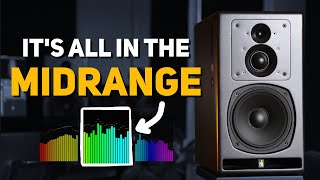
- How Two-Way Systems WorkBasic StructureA traditional two-way loudspeaker has two drivers that together reproduce the full frequency spectrum, with a left and right speaker making four drivers total.Frequency DivisionThe woofer handles everything roughly below 2,000 Hz while the tweeter handles everything above 2,000 Hz.The Core IssueThe critical problem is that the mid-range has to be cut down the middle between the two drivers, despite being arguably the most important area of a mix where most voices, instruments, and synthesizers reside.Sufficient for Most WorkFor music production and listening, two drivers are really all you need, though this creates challenges when mixing and mastering.
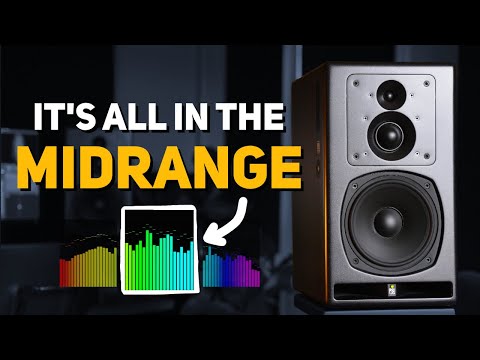
- The Real Advantage of Three-Way SystemsDriver SpecializationA three-way system divides the frequency spectrum differently: the large cone handles everything below about 600 Hz, a dedicated mid-range driver handles 600 to 3K Hz, and the tweeter handles everything beyond 3K Hz.Optimization Benefits• The bass driver is optimized only for bass frequencies • The mid-range driver is exclusively dedicated to the body and tone of voices and instruments • The treble driver doesn't need to be overworked reproducing half the mid-rangeSound CharacteristicsWhen well-designed, three-way systems tend to give better frequency balance, but they also sound unforgiving—highlighting any issues in the mix in an unpleasant way.Best Use CaseThree-way systems are particularly useful for critical mixing and mastering because flaws become immediately obvious, but they may be off-putting when writing, recording, or producing music.
- Mix Translation and System LimitationsTranslation AdvantageIf a mix sounds good on a well-made three-way system, it typically translates well to other playback systems like car speakers and headphones without major issues.Two-Way LimitationWith two-way systems, the mix checking process is much more involved, requiring constant checks on multiple systems, in cars, and with different types of headphones.Diminishing ReturnsAdding more drivers beyond three (four, five, or six frequency splits) leads to diminishing returns because more drivers and crossover filters make design and building significantly more difficult and complicated.Engineering ChallengeKeeping a three-way system time-aligned and working properly is already quite an engineering feat, and adding more drivers makes this even more complicated.
- Improving Your Setup with SubwoofersBasic SetupRun from your audio interface into subwoofers, which handle the low end, then from the subwoofers to your main monitors so they don't need to worry about extreme low frequencies.Frequency HandlingSubwoofers can take care of everything below 50, 100, or even 150 Hz depending on your needs and room, freeing up your main monitors to focus on other frequencies.Dual Subwoofer AdvantageEven though the sub is mono in your mix, using two subwoofers can give a much more balanced and accurate bass response depending on how low frequencies add up or cancel out in your room.Counterintuitive ResearchAlthough it seems counterintuitive and you might expect one sub to sound better, research shows that two subwoofers often sound significantly better than one.
- Summary and Key TakeawaysWhat Three-Way Systems Don't DoA three-way system doesn't inherently give you more volume, better frequency balance, more low and high extension, or magical stereo field improvements.What Three-Way Systems Actually DoWhen designed with dedicated drivers for each frequency range, three-way systems make any mix problems stick out in an unpleasant way, making them invaluable for critical work.Practical ApplicationThree-way systems are particularly useful for finishing, mixing, or mastering a mix, but they're not necessarily very enjoyable for general music listening.Bottom LineIt's not magic or marketing—three-way systems are simply a specialized tool best suited for professional mixing and mastering applications, not for all music production tasks.