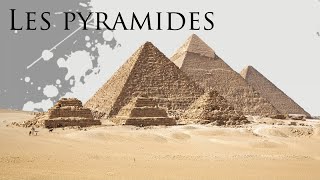
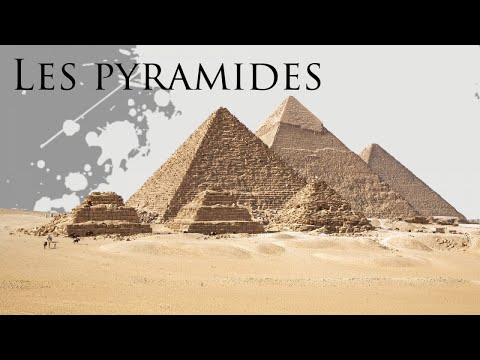
Les extraterrestres ont-ils construit les pyramides ?
6 chapters
- Speakers and Direct RebuttalExpert Identities• En Grains, Egyptologist working at the Sorbonne and Collège de France, Italian-born and trained in Venice • Dominique Faroux, Professor of Egyptology at École du Louvre, ENS and Institut CatholiqueDirect AnswerNo, extraterrestrials did not build the pyramids.Archaeological EvidenceRecently discovered papyri mention the construction of the Khufu pyramid and figures known from that era.Next TopicsDiscussion of the transportation systems used on pyramid construction sites.
- Archaeological Evidence and Workers' Living ConditionsRecent Discoveries• Extensive excavations conducted over the last 20-30 years next to the pyramids • Discovery of large residential cities where officials and workers livedLiving Conditions• Worker cemeteries revealing adequate nutrition and acceptable living standards • Workers came from modest backgrounds but performed very difficult laborReligious OrganizationThe pyramid was not only a tomb but included a mortuary temple with religious services that continued for hundreds of years.Site OrganizationPresence of skilled workers on the site, with ongoing debate about slavery in ancient Egypt.
- Slavery and Social Status in Ancient EgyptComplex Definition• Absence of attestation of an Egyptian word for 'freedom' • Society where the ideal was to obey one's master and give orders to subordinates • Rigid and protective social system—being free meant not eating in ancient EgyptTrue SlaveryIn the true sense, only prisoners of war and captives from other regions could be considered slaves.Egyptian Specifics• Unlike Greeks and Romans, no clear distinction between free citizens and slaves • Cases of masters marrying their daughter to a slave who became a household master • Foreigners integrated into Egyptian service sometimes adopted Egyptian namesInterpretive Consensus• All Egyptians were subjects of the king, comparable to servants rather than Roman slaves • Differences in status existed between noble and peasant families but no true slave class
- Corvée Labor, Agricultural Cycles, and Pyramid ConstructionOrganized Workforce• Hundreds of specialists directing operations • Peasant corvée labor hauling stones at regular intervals • Papyrus discovered by Pierre Tallet showing a highly hierarchical society and representing the oldest known work journalNile Calendar• Before the dam was built about 40 years ago, Egypt was periodically flooded • Peasants could not farm during floods • This was when corvée labor could be assignedSystem Flexibility• Inscriptions in Middle Egypt quarries show extraction activities year-round • Peasants could be released for corvée labor based on current crops and immediate needs • Different groups could be assigned to different tasks depending on seasonSite Efficiency• A few hundred workers moved several thousand tons per day when well organized • One man could move one ton per day • Construction took between 10 and 20 years depending on complexity
- Evolution of Techniques and Materials Across PeriodsOptimization Research• About a hundred pyramids built in the region with different work systems • Use of debris and blocks found on site to improve efficiency • Engineers seeking to make the process faster and more efficientOld Kingdom• Use of very large blocks weighing hundreds of tons • Copper and brass tools for cutting • Transporting enormous stones was less energy-intensive than creating small blocksNew Kingdom• Opening of the Bronze Road allowing access to more tools • Intensive use of bronze tools for stone cutting • Reduction in block size but destruction of large quantities of metalEnergy LogicConstruction choices evolved based on available resources and energy efficiency: prioritizing large blocks with copper versus small blocks with bronze depending on historical context.
- Humorous Conclusion and Modern RecommendationsDemystifying SummaryDefinitive proof that pyramids were built by Egyptians using well-organized human methods, without extraterrestrial intervention.Historical ParadoxAncient civilizations solved unemployment problems by building massive monuments like pyramids.Satirical ProposalPerhaps modern governments could take inspiration and build pyramids to solve current unemployment problems.ClosingGratitude to both experts for this in-depth discussion of the mysteries of Egyptian construction.