Qui sont vraiment les druides ?- Question Histoire Adulte #9
4 chapters
- The Reality of Druids Beyond Popular StereotypesPopular Myths• Druids are often portrayed in popular culture as sages close to nature • Asterix, Kaamelott, and Warcraft perpetuate similar stereotypes about druids • Distinguishing actual history from legend remains difficultHistorical SourcesFew written sources exist because druids preferred oral tradition to writing, although the Celts knew Greek, Latin, Etruscan, and Ogham alphabets.Knowledge MethodsArchaeology and testimony from Greeks and Romans of the era allow us to sketch a basic portrait of druids.Modern RelevanceUnderstanding authentic druids helps distinguish historical reality from modern fictional portrayals.
- The Structure and Functions of the Druidic CasteSocial PositionDruids formed one of the three main social classes among Celtic peoples of Gaul and the British Isles, equivalent to Christian clergy.Religious Duties• Perform ritual ceremonies including animal sacrifices and, in rare cases, human sacrifices • Manage religious practices whose full details remain unknownMultiple Roles• Transmit scientific and mystical knowledge to children of noble families and future druids • Ensure law and order by judging disputes and imposing penalties • Serve as diplomats negotiating with other tribes • Work also as seers, bards, and poetsPolitical InfluenceDruids were closest to the king, exercising spiritual authority while the king wielded political power.
- Druidesses and the Decline of DruidismFemale PresenceThe druidic function was not limited to men; many Irish tales recount the stories of druidesses such as Bodhmal and Tlachtga from the Fenian cycle.Roman ConquestThe loss of power and prestige of druidism is clearly tied to the Roman conquest of Gaul, with Romans banning their pagan practices.Gradual Disappearance• On the continent, druidism vanished during the first centuries after Christ • In the British Isles, it survived longer before disappearing in the 7th century during Wales's ChristianizationModern RevivalDruidism was revived in the 18th and 19th centuries to establish neo-druidic religions; about 10,000 people in Britain identify as druidic today, though the link to ancient druids is artificial.
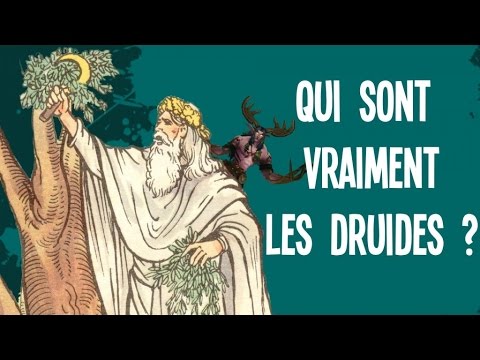
- The Legacy of Druids in Popular CultureLiterary Archetypes• Merlin the Enchanter may have been inspired by a druid who lived in 6th-century Scotland • Getafix from Asterix embodies the druid who brews the magic potion and personifies wisdom and reasonModern PortrayalsThe druid is readily associated with an old sage or wizard attached to the forest in contemporary popular culture.Entertainment ExamplesCenarius, the famous druid of the Warcraft universe, son of the forest, possesses great powers but is defined by wisdom and tranquility.Stereotype ContinuityMost modern representations of druids retain the same stereotypes linked to nature, magic, and wisdom.