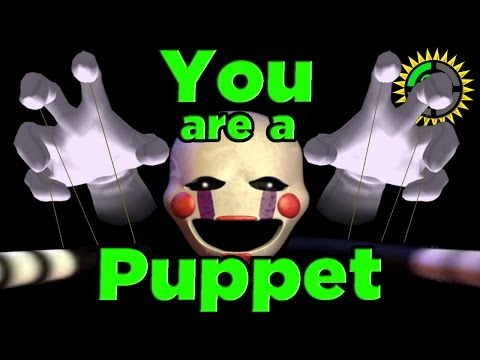
Game Theory: Gamers, You're Getting Played
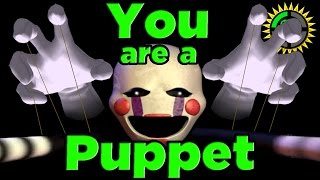
This puppet may be scary, but I know of a scarier one
5 chapters
- Introduction to Gaming ControversiesShow OverviewGame Theory is a show willing to deeply investigate gaming culture, having previously analyzed topics like police bias in video games.External Threats• Special interest groups and figures like Jack Thompson consistently work to ban or censor video games • Gamers frequently have to defend games against these external threatsInternal ConflictsGamers rage at each other on social media about controversial topics ranging from Mass Effect sex scenes to character behaviors, creating endless debate.Free Marketing ImpactControversies generate massive free publicity through headlines and social media discussion, regardless of whether gamers are attacking or defending the games.
- The Grand Theft Auto Origin StoryGame Development• DMA Design created Racing Chase in the mid-90s as a game about cops and robbers in a living, breathing city • Players found it more fun to play as criminals causing chaos rather than following cop rules • Features like carjacking and interactions with sex workers were gradually added to increase gameplay appealMarketing ChallengeIn the 1990s era of strict regulation, marketing a game about killing people and stealing cars seemed impossible given recent controversies like Night Trap being pulled from shelves and Mortal Kombat debates.Publicist Strategy• Max Clifford, the UK's most famous publicist, was hired to promote the game • He had a history of creating manufactured controversies and false stories for headline publicity • He strategically planted stories and coordinated outrage to intentionally escalate Grand Theft Auto's notorietyCommercial SuccessThe strategy worked brilliantly. GTA appeared before British Parliament, gained massive notoriety, and Racing Chase became a million-seller based entirely on manufactured controversy rather than positive marketing.
- Intentional Controversy as Industry PracticeCarmageddon Case• Game explicitly rewarded players for turning pedestrians into 'a fine mist of blood and eyeballs' • Packaging deliberately used inflammatory language about pedestrian targets and speeds over 100 mph • Hit number one on charts despite or because of the controversy-driven marketingPublisher IntentPublishers knowingly orchestrated public outrage all the way to the bank. The British board of film classification didn't give it the harshest rating, yet the publisher deliberately escalated controversy anyway.Acclaim Entertainment Tactics• Hired Frank PR in 2002 to market Shadow Man 2, skipping traditional reviews through deliberately provocative campaigns • Offered to reimburse speeding tickets for players caught speeding on game release day • Hired a professional roller skater to perform dangerous 50 mph stunts behind moving cars near speed camerasManufactured Outrage ResultsAll these tactics were explicitly designed to generate headlines for a few weeks. Acclaim even planned from the beginning to go back on their promises because the goal was press coverage, not actual product integrity.
- Modern Examples and Industry ImplicationsHatred Controversy• Polish indie developer Destructive Creations released a game deliberately billed as a massacre simulator with graphic violence • The game was briefly pulled from Steam Greenlight then reinstated with an apology from Valve's managing director • Online commenters aggressively defended the game's artistic right to existDeveloper AdmissionDestructive Creations openly admitted to relying on shock tactics in the trailer for extra publicity and acknowledged being very happy with the results, confirming the controversy was intentional.Systemic Pattern• These documented cases represent only the games whose creators admitted to using controversy for sales • Many more game controversies crossing the internet weekly are likely manufactured • Gamers defending or attacking these games become puppets and pawns in a pre-planned marketing strategyThe Real VictimGame makers deliberately put their products in the line of fire to spark tweets, trends, and media coverage. The gaming industry exploited gamers' passion for the medium purely for profit, giving games and players a bad reputation in the process.
- Conclusion and Sponsor MessageCore ArgumentIt's not the games getting played—it's the players. The industry weaponizes gamer passion and controversy to drive sales while deliberately damaging gaming's reputation as a respected medium.Historical ContextGamers spent years defending games against figures like Jack Thompson and special interest groups trying to get games banned, helping games transition into a respected artistic medium.Industry BetrayalGame makers didn't care about these defenses. They intentionally created controversy to ensure constant media coverage, social media attacks and defenses, and trending topics for profit.Call to ActionGame Theory recommends exploring books like Batman and Psychology through Audible as an alternative way to spend time and support the show, encouraging viewers to think critically about the media they consume.