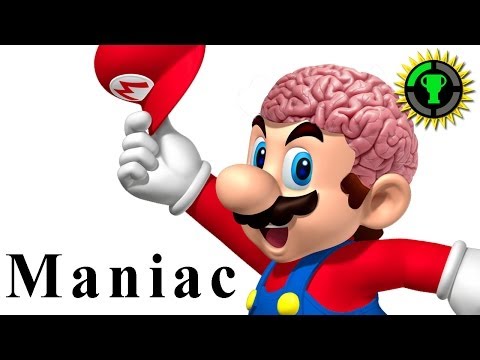
Game Theory: Why Mario is Mental, Part 2
5 chapters
- Introduction and OverviewSetupThe video presents itself as a continuation of a trial examining Mario's true nature, building on accusations from Part 1 about animal abuse and cruelty to his brother.Main ThesisMario is not the hero he appears to be but rather an opportunistic abuser whose joyful persona masks his true personality and dark actions.Evidence Categories• Animal electrocution and trampling of his brother's victories • Betrayal of the woman and country he claims to save • Pattern of behavior revealing a hidden dangerous personalityPromiseBy the end of the analysis, the evidence will lead to a surprising diagnosis of what occurs inside Mario's mind.
- Mario's Romantic InfidelityPrimary RelationshipMario is in a committed relationship with Princess Peach, the standard understanding of his main romantic interest.Pauline Connection• Pauline was Mario's original love interest in Donkey Kong • She reappears as Mario's 'special guest' at his theme park ribbon cutting instead of Peach • In Mini-Land Mayhem, Pauline receives her own toy while no Peach toy exists • She calls Mario 'her hero' when he rescues her, using language indicating romantic interestDaisy Entanglement• Daisy's original appearance in Super Mario Land shows Mario crying her name repeatedly • Name repetition in that manner occurs only in romantic contexts • A heart symbol appears in their interaction • Timeline placement shows this occurs while Mario is still with PeachPattern ImpactMario maintains multiple romantic relationships simultaneously while also leaving Luigi with discarded girlfriends, treating them as hand-me-downs.
- Mario's Mass Murder of ToadsThe Hidden TruthAccording to the original Super Mario Brothers narrative, Toads were transformed into stones and bricks by Koopa's black magic, meaning each brick Mario destroys represents a Toad he was supposed to be saving.Game Mechanics Reveal• Players earn points for destroying blocks, rewarding the destruction of transformed Toads • This reward system mirrors anti-hero games like GTA, Overlord, and Prototype • Mario shows no concern for what he destroys with power-ups like the Mega Mushroom • He celebrates his massacres upon completionMethod of KillingMario's preferred method is crushing, which the analysis compares to historical elephant executions in Southeast Asia that involved deliberately prolonged suffering through limb shattering.Psychological AbsenceMario displays no guilt, remorse, or emotional reaction to killing thousands of creatures, unlike police officers, soldiers, and even hardened criminals who suffer from the weight of their actions.
- Closing Remarks and Call to ActionSummaryDespite Mario's status as gaming's most successful character, he has never been questioned about his true nature until now.Evidence FoundationThe only evidence truly needed to prove Mario's evil intentions is examining his actions throughout the games, which reveal a consistent pattern of harm.AcknowledgmentThe presenter acknowledges being harsh on Mario across both videos while offering to give him credit through a partnership with DYKGaming.InvitationViewers are encouraged to check out additional Mario content and defend the presenter's characterization in the comments section.