« C'EST UNE MANŒUVRE DE LFI. » LE MÊME DISQUE DEPUIS 1986 #medias
When someone speaks to you on television, always ask yourself two questions: who is speaking and for whom do they work.
3 chapters
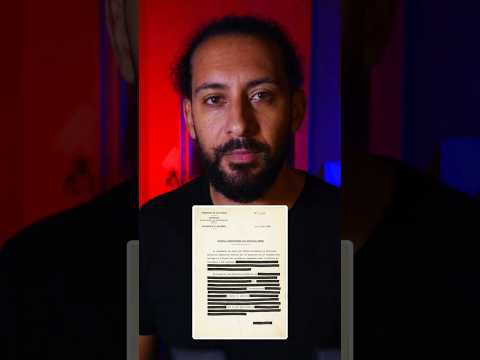
- A government response replaying the same scenarioGeneral overviewThe narrator criticizes the government's response to the youth movement, presenting it as an old recipe heard many times before.Official accusationThe government speaks of a maneuver orchestrated by LFI and its far-left proxies.Evidence presentedThe evidence cited is a note from intelligence services that no one has seen and which has not been published. The narrator finds it highly convenient.Historical precedents• The discourse about manipulated youth was already heard in 1968, 1986, and 2006. • In 1986, students and high school pupils protested against the Devaquet law. • In Le Figaro, a columnist spoke of youth afflicted with what he called sidamental. • Minister Valérie Pécresse then spoke of instrumentalization and methods imported from France.
- Vocabulary as a weapon: the Newt Gingrich memoOriginsIn 1990 in the United States, Republican Newt Gingrich distributed a memo to his candidates.Memo contentThe memo was titled "Language, a Key Mechanism of Control." It outlined positive words for his side and negative words for the opponent.Words usedThis week in France, headlines employed the words thug, pack, horde, savage, and rabble.ObjectiveThe goal is not to describe but to make the other person an enemy, so you no longer have to listen to what they say and can justify the violence they suffer.
- A very real movement and final adviceViginum findingViginum, the state service that tracks foreign interference, found no artificial manipulation of the movement.Reality of movementThe movement is real, the young people are real, and the disastrous state of schools is just as real.AdviceFor this matter and for everything that happens between now and 2027, the narrator invites you to ask yourself two questions when someone speaks on television.ConclusionThe two questions are: who is speaking, and for whom do they work.