How to Slow Aging (and even reverse it)
This is a video about research into slowing the rate of aging and extending the human lifespan.
13 chapters
- Introduction and Public ConcernsVideo PurposeThe video explores research into slowing aging and extending human lifespan, with a focus on whether this is scientifically possible and how it might work.Main Concerns• Extending lifespan might mean more years with diseases like Alzheimer's rather than healthy years • Aging research could increase inequality if only available to the wealthy • Population growth could strain resources and increase environmental damageKey DistinctionThe goal is not merely to extend lifespan, but to extend healthspan—the number of years lived in good health while preventing age-related diseases like diabetes, cancer, and arthritis.Video ScopeThe video addresses whether aging can be slowed in humans, how lifespan and healthspan can be extended, and what mechanisms make this possible.
- Biological Immortality and JellyfishMoon JellyfishMoon jellyfish at the Bodega Marine Lab have a complex life cycle beginning as a polyp (similar to a sea anemone), then metamorphosing into a medusa, the form commonly recognized as a jellyfish.Immortality Features• Polyps can asexually reproduce and regenerate damaged tissues • They show no clear evidence of senescence (biological aging) • Some people consider them biologically immortal, though this was not widely known until around 2015Scientific ImplicationsThe jellyfish's apparent immortality raises the question of whether understanding their aging resistance could provide insights into slowing or reversing aging in humans.Initial SkepticismBefore this research, extending human lifespan to 120, 150 years or beyond seemed like science fiction, similar to uploading consciousness to a computer, but interview with Professor Sinclair suggests this is more plausible than previously thought.
- Understanding Aging and DNA DamageTraditional TheoryEarlier theories suggested aging was caused by DNA damage and mutations accumulating over time, but evidence shows this is not the primary cause.Cloning Evidence• Adult cells can be cloned into new organisms that live about as long as non-cloned organisms • Cloned animals like monkeys and dogs live normal lifespans; Barbra Streisand's cloned dogs are expected to live normally • This suggests all genetic information remains intact in DNA during agingSigns of AgingOlder bodies show multiple features including senescent cells (zombie-like cells that inflame surrounding tissue), poor intercellular communication, and mitochondrial dysfunction—eight or nine hallmarks of aging.Key QuestionThe challenge is determining whether these aging hallmarks are the causes of aging or merely symptoms of a deeper root cause.
- The Epigenome Theory of AgingEpigenome ExplainedEvery cell has the same DNA, but different cell types have different epigenomes—different ways of packaging DNA by coiling it up or spooling it out to control which genes are read and turned into proteins.Control Mechanisms• Proteins called histones wrap DNA around them • Chemical signaling markers called methylation are placed on DNA at specific positions • These mechanisms turn parts of the DNA on or off to determine cell identityAging HypothesisAs the body ages, information in the epigenome is lost, causing cells to forget their identity. A skin cell might become a brain cell, or hair might grow in wrong places—this identity loss is largely what aging is.Root CauseProfessor Sinclair hypothesizes that aging is caused by loss of epigenetic information rather than genetic information, with DNA damage triggering the breakdown of the epigenome.
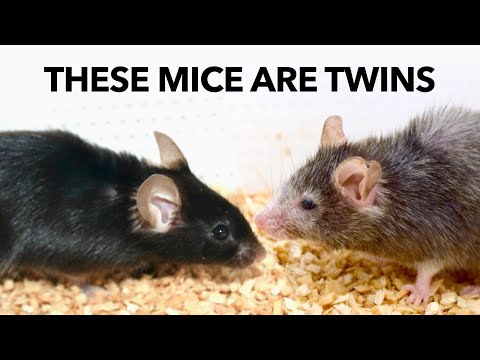
- DNA Damage and the Epigenetic ClockDamage MechanismSun exposure breaks chromosomes, requiring cells to unwrap DNA, recruit proteins to repair it, and reset epigenetic structures. This resetting occurs about 99% successfully, with the remaining 1% contributing to aging.Methylation Patterns• Over time, histones are not returned to correct positions and DNA methylation accumulates in wrong places • These chemical markers accumulate like plaque on teeth • The methylation pattern can predict biological age and even lifespanHorvath ClockThe Horvath clock, named after researcher Steve Horvath, measures DNA methylation patterns to determine biological age. A 40-year-old could be biologically 60, or a 50-year-old could be biologically 31 after changing lifestyle.Experimental EvidenceEngineered mice with broken chromosomes aged faster without losing genetic information, developing gray fur, hunchbacks, dementia, and showing 50% accelerated aging on the DNA methylation clock—proving the epigenetic theory of aging.
- Longevity Genes and Hormetic ResponseEvolutionary OriginsBillions of years ago, early bacteria evolved two modes of living: using energy to grow and reproduce in good times, and using energy to protect and repair cells during tough conditions. These defense mechanisms are maintained in longevity genes found in bacteria and humans today.Gene Types• Sirtuins (where 'sir' stands for 'silent information regulator') control information in cells • AMP-kinase or AMPK senses energy intake, primarily from sugar • mTOR controls response to amino acid intakeCellular DefensesWhen longevity genes activate, cells can repair broken components, misfold proteins, lengthen chromosome ends, and maintain epigenetic information so cells remember their function.TriggersHormetic response genes sense physical stress: intense exercise, hunger, temperature extremes (uncomfortably cold or hot). These stressors trigger the body's general defenses against aging.
- Caloric Restriction and Lifestyle InterventionsProven Methods• Reduce eating time through periodic or intermittent fasting • Keep body temperature cool • Restrict amino acid intake • These methods significantly extend lifespan in mice and primatesMonkey StudiesCalorie-restricted monkeys studied for 15 years showed slower aging, less diabetes and heart disease, and remained fit and healthy compared to control monkeys that ate whenever they wanted.Practical ChallengeWhile proven effective, caloric restriction seems unpleasant because being hungry for longer is not appealing to most people seeking life extension.Molecular ApproachMolecules like NMN (which raises NAD levels) can trick the body into activating sirtuin pathways without caloric restriction, simulating the beneficial effects of fasting.
- Experimental Results with NMN and ExerciseNMN EffectsOld mice given NMN ran 50% further than normal, with some running so far that the treadmill software crashed because it had never recorded mice running more than three kilometers.Performance ComparisonTreated old mice outran young mice, equivalent to making a 70-year-old run faster and further than a 20-year-old—like creating human ultramarathoners.Hypothetical Human ImpactIf the same effect applied to humans, 90-year-olds could potentially win Olympic medals based on the performance improvements seen in treated mice.MechanismThese molecules activate the sirtuin pathway and trigger hyperactive defenses in the body, suggesting chemical interventions could mimic the benefits of physical stress without caloric restriction.
- Six Practical Ways to Slow AgingDamage PreventionAvoid DNA damage by wearing sunscreen, avoiding unnecessary x-rays, and protecting yourself from sun exposure.Dietary Changes• Eat less through caloric restriction • Eat less protein because the body detects amino acid intake • Both changes trigger longevity genesPhysical Stress• Do high-intensity interval training (HIIT) with heart rate reaching 85% maximum • Create mild heat stress by being uncomfortably hot • Create mild cold stress by being uncomfortably coldOverall ApproachAll these methods trigger longevity genes to switch the body from 'grow and reproduce' mode to 'repair and protect' mode, and paradoxically, these are generally the activities modern people avoid.
- Reversing Aging Through Epigenetic ResetYamanaka FactorsIn 2012, scientist Yamanaka won the Nobel Prize for discovering four genetic factors that, when applied as gene therapy to adult cells, reset the entire epigenome back to its embryonic state, creating pluripotent stem cells.Stem Cell ProblemApplying these factors to the entire body would cause cells to lose all identity, resulting in a giant tumor because cells would not know how to differentiate into specific types.Selective ReprogrammingThe solution is to use only three of the four factors (omitting cMyc which causes cancer) and make the system controllable—turning it on when needed and off before cells become undifferentiated tumors.Breakthrough PotentialThis selective epigenetic reset method could be the key to reversing aging by resetting cells to earlier states without losing their function.
- Mouse Eye Reversal ExperimentChallenge ChoiceResearchers chose to test eye reversal because blindness in older animals is typically considered permanent and impossible to reverse, making it an ambitious test case.Results• Gene therapy applied to old mice eyes reversed aging in the retinas • One-year-old mice's eyes were restored to approximately two-month-old condition • Treated mice regained vision and could see like young mice againSafety ControlUsing only three reprogramming factors (not four) prevented cancer, and the system was designed to be reversible—turning on when needed and off to avoid over-reverting cells.Future PotentialPreliminary whole-mouse treatment showed no cancer and good health, suggesting the method could eventually be applied to entire bodies, potentially reversing aging systemwide.
- Jellyfish Key to Whole-Body ReversalScaling ProblemApplying gene therapy to every one of the body's trillion cells is practically impossible, so researchers need alternative approaches to reset entire organisms.Jellyfish Ability• Moon jellyfish can reset any cell in an adult body back to an earlier life stage • Cells can revert to polyp form, essentially regenerating to earlier developmental states • This suggests jellyfish activate something similar to Yamanaka factors naturallyResearch DirectionUnderstanding how jellyfish reset their epigenomes and reset various cell types during regeneration could reveal mechanisms for doing the same in human cells.Stem Cell ConnectionHumans maintain epigenetic reset ability only during embryonic development to keep cells as stem cells, but lose this capacity with age. Learning the jellyfish's method could restore this capability in adult humans.
- Conclusion and Future RoadmapCurrent TimelineReversing aging in entire human bodies remains years away, but the research shows it is not science fiction and there is a plausible scientific roadmap.Evidence Summary• The epigenetic information theory of aging is supported by experimental evidence • Aging can be slowed through lifestyle interventions and molecular approaches • Selective aging reversal has been achieved in mice eyes with preserved functionPath ForwardUnderstanding the mechanisms by which jellyfish regenerate and reset their cells provides a biological template for potentially achieving similar results in humans through future research.Practical TakeawayEven without waiting for complete reversal technology, humans can slow aging immediately using proven methods: avoiding DNA damage, caloric restriction, reduced protein intake, high-intensity exercise, and temperature stress.