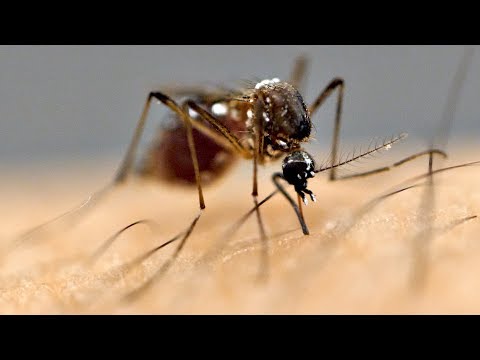
Why Mosquitoes Bite Some People More Than Others
9 chapters
- Introduction to Mosquito AttractionPersonal ExperienceDerek is frequently bitten by mosquitoes while others in his group are not.Scientific FindingMosquitoes are attracted to some people more than others, with genetics playing at least a partial role.Research PartnershipThe video is supported by 23andMe, which has identified specific DNA locations that make people more or less attractive to mosquitoes.Research GoalDerek visits Professor Immo Hansen at New Mexico State University to test his mosquito attractiveness and understand the genetic basis.
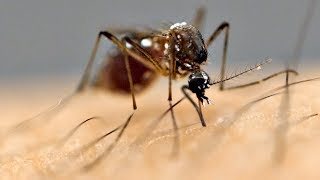
- Meeting the Mosquito ExpertProfessor BackgroundProfessor Immo Hansen maintains colonies of many different mosquito species at the university.Feeding MethodHansen feeds one exotic strain with his own blood, receiving approximately 25 bites at a time. He is the only one who feeds them due to permission requirements.Mosquito Biology• Only female mosquitoes bite to obtain blood proteins for egg production • Eggs hatch into larvae, which develop into pupae before becoming adult mosquitoes • The complete lifecycle takes approximately two weeksResearch QuestionDerek wants to determine whether he is particularly attractive to mosquitoes.
- The Y-tube Attraction TestTest Setup• A Y-tube contains a holding chamber with mosquitoes at the base • A fan creates a draft of approximately 4 meters per second • Two chambers at the ends of the tube contain bait optionsPreparation MethodDerek rubs his hand to release oils and natural odors before placing it in one chamber as bait.Mosquito SpeciesThe test uses a species that feeds almost exclusively on humans and is highly specialized in biting humans.Derek's ResultsAll 20 mosquitoes from the holding chamber flew toward Derek's arm rather than the empty control chamber, demonstrating he is a strong attractant.
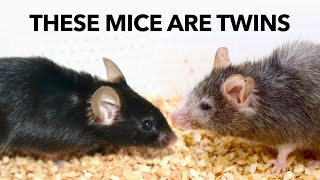
- Genetic Evidence from Twin StudiesStudy Design• 18 pairs of identical female twins were recruited • 19 pairs of fraternal female twins were recruited • The Y-tube test measured mosquito attractiveness for each individualCorrelation FindingMosquito attractiveness of twins was correlated, meaning attractive individuals tended to have equally attractive twins.Key ComparisonThe correlation was significantly higher for identical twins than fraternal twins, strongly suggesting genetics influence attractiveness.Scientific InterpretationSince identical twins share more genes than fraternal twins, the higher correlation between identical twins indicates genetic factors determine mosquito attractiveness.
- Comparative Test with SpousePersonal PatternIn real life, Derek gets bitten by mosquitoes while his wife Raquel does not.Lab Test ConditionsDerek and Raquel place their hands in opposite chambers of the Y-tube to compare their relative attractiveness.Test Results• Derek received approximately seven bites • Raquel received approximately three bites • Five mosquitoes remained in the holding chamberFindingsThe experiment reproduced their real-world experience, confirming that Derek is significantly more attractive to mosquitoes than Raquel.
- DNA Analysis and 23andMe StudyResearch Methodology• 16,000 participants from 23andMe opted into the research study • Participants rated their perceived attractiveness to mosquitoes • Scientists conducted a genome-wide association study across all DNA samplesScientific DiscoveryResearchers identified seven specific single-letter DNA changes associated with different levels of mosquito attractiveness.Derek and Raquel's Results• They had identical DNA at four of the seven locations • At the first differing location, Raquel has a protective variant that decreases mosquito attractiveness • At the second location, Derek has a protective variant that decreases attractiveness • At the third location, Derek has two copies of a variant that increases mosquito attractiveness while Raquel has noneGenetic ExplanationTheir genetic differences align with and explain their real-world mosquito attractiveness patterns, with Derek's genetic profile predicting higher attractiveness.
- Mechanisms of Mosquito AttractionLikely FactorsGenetic differences probably affect body odors or volatile chemicals produced by the body, influenced by the skin microbiome bacteria.Attractant Signals• Carbon dioxide is a main signal mosquitoes follow • Higher metabolism, recent exercise, larger body size, and pregnancy increase CO2 production and mosquito attraction • Lactic acid, acetone, and ammonia are other volatiles that attract mosquitoesRepellent Chemicals• Octanal • Nonanal • Decanal • 6-methyl-5-hepten-2-oneSummaryThe exact mechanisms by which genetic changes influence mosquito attractiveness remain unclear, but they likely work through the chemicals and odors our bodies naturally produce.
- Evolutionary and Health SignificanceGenetic ImportanceAttractiveness to mosquitoes has about the same heritability as height or IQ, meaning genetics play a significant role.Public Health Impact• Mosquitoes have the greatest impact on human health among all animals • Mosquitoes are the most dangerous animal in the world • Malaria has killed more people than humans have killed peopleMortality StatisticsBy some estimates, mosquitoes have killed more than half of all humans who have ever lived. This year alone, over a million people will die from mosquito-borne illnesses.Evolutionary AdaptationThe malaria parasite has evolved so that infected hosts produce odors that attract mosquitoes, the very insects that transmit the disease to others.
- 23andMe Insights and ConclusionCompany Overview23andMe is named after humans having 23 pairs of chromosomes and helps people understand what is written in their genetic code.Available Tests• Users can access information about physical traits • Users can access health-related information • Users can learn about DNA ancestry and geographic originsDerek's Results• Approximately 95% European ancestry • Largely British, Irish, French, and German with some Scandinavian ancestry • 3.3% South Asian ancestry, which his family suspected but did not confirm until nowFuture PossibilitiesThe mosquito attractiveness test is not currently available through 23andMe, but it may be offered in the future as the science develops.