Les Iraniens en Europe, le cri de la liberté | ARTE Regards
12 capitulos
- Mass Protests and Brutal Repression in IranCrisis OverviewBetween late December 2025 and early January 2026, hundreds of thousands of Iranians took to the streets in protest. The Tehran government responded with extreme violence.Human CostHuman rights organizations documented thousands of deaths, injuries, and disappearances. Despite internet shutdowns imposed by authorities, horrific images reached the world.Impact on DiasporaThese tragic events profoundly affected Iranians living in Europe, including families who lost loved ones in the crackdown.Personal Testimonies• Mosgan Tarville Darry's son was killed during the protests • Her family seeks to amplify the voice of the young man and others who died • Personal stories of courage and determination emerge from the violence
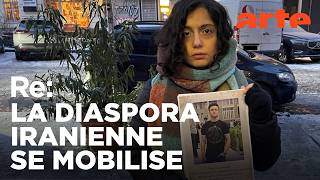
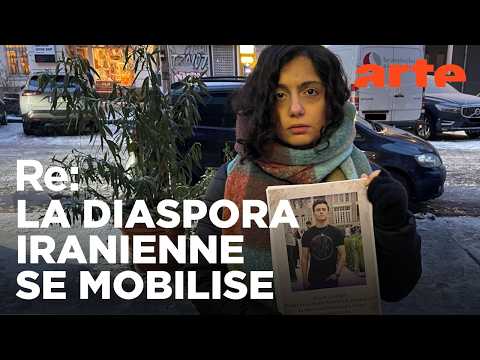
- Arya's Death and a Mother's GriefThe SonArya Alidust was 27 years old and worked as a real estate agent in northern Iran. He was not politically active and focused on his work and personal life.Last ContactEight days before his death, Arya called his mother asking about demonstrations in Europe. He mentioned the economic hardship in Iran, saying an egg cost 13,000 toman.Brutal Death• Arya was shot three times • He could have survived if taken to the hospital, but authorities prevented this • His body had to be secretly exhumed by family members due to internet blackoutUnanswered MessagesMosgan's final messages to her son went unanswered. She sent multiple messages asking where he was and if he had internet access, but received only silence in return.
- A Mother's Vow and Life in GermanySeparation and LossMosgan had not seen her son for six years because he refused to leave Iran. They had planned to reunite in Turkey during Persian New Year in spring.Life Shattered• The Tarville Darry family lives in Goch, northwestern Germany • Mosgan worked at a fast food chain but is now on leave since her son's death • The sudden loss has devastated her completelyCoping MechanismsWalking with her dog Coco reminds Mosgan of her son's love for animals. Arya posted many videos on Instagram of himself feeding street dogs.Determined MissionMosgan has vowed to fight for justice and refuses to stay silent despite pressure from family in Iran to keep quiet. She considers all Iranian children killed by the regime as her own.
- Manifestations in Cologne and European SolidarityRallies in CologneMultiple simultaneous demonstrations by different groups took place in Cologne. Mosgan and her daughter Parmis participated in a gathering of supporters of Reza Pahlavi, son of Iran's last shah.Call to Action• Demonstrators urged the West to take action and help Iranians • They called for support for people inside Iran who want to remove the mullahs • Protesters challenged Western governments to choose a side against terrorismPersonal ImpactLike many of their fellow citizens, Mosgan and her family's lives changed overnight. Parmis grieves that she will never have nephews and nieces.Breaking SilenceDespite suffering daily, Parmis emphasizes the importance of speaking out. The family refuses to remain silent about the tragedy that befell them.
- The Divided Diaspora in ParisFragmented CommunityThe Iranian diaspora is not as unified as the protest movement inside Iran. In Paris, differences of opinion are particularly pronounced.Activist BackgroundCharla Chafik is a writer who was involved in the leftist student movement in Iran during the 1970s and supported the revolution against the Shah. She fled Iran to France to escape the Islamic regime.Public Forum• Charla was invited to Marc Weitman's new podcast • The program features French writer exchanges with researchers and artists about societal and political evolution • This first episode focused on the tragic events in IranRegime's PropagandaThe regime is deliberately killing people and simultaneously implementing propaganda. Parents face impossible choices: pay for each bullet or claim their children were killed by protesters, not regime forces.
- Conflict Over Symbols and Political IdentityThe Flag IncidentYoung Iranian Najla Nazarian was violently confronted at a Paris rally in late January for carrying the historical Iranian flag featuring a lion and sun, symbols from before the Islamic Revolution.Attack and Response• A French woman put her hand over Najla's mouth and tried to prevent her from speaking • Iranian and French protesters told her to remove the flag • Najla's French friends defended her right to display her country's historical flagIdeological DivisionsSome opponents associate the historical flag with the Pahlavi monarchy, causing internal conflict. Charla Chafik argues that such ideological disputes mask the fundamental problem and distract from the real issue.Charla's ShiftCharla once considered herself left-wing but no longer claims this identity. She believes leftist ideology is at an impasse and that current needs require unity over ideology and a leader capable of bringing citizens together.
- Media Misrepresentation and International SupportGround RealityImages from Iran show people facing weapons with held high. Many have mentioned Reza Pahlavi in their slogans, which is widely reported on the ground.Western Media Coverage• French press and debate programs present supporting Pahlavi as a return to the past • Some describe him as a bogeyman promoted by Israel and America • This narrative insults Iranians who are rising up and choosing their own pathInternational PerspectiveCharacterizing protesters as puppets controlled by the US and Israel is insulting to a people in genuine uprising. It dismisses their agency and choice.Charla's VisionCharla maintains hope and continues fighting for a free Iran liberated from all extremist political discourse. She advocates for unity focused on removing the regime rather than ideological purity.
- Brussels Demonstration and International PressureMassive TurnoutA large demonstration in front of the European Parliament brought together thousands of people from different political orientations. According to police estimates, nearly 15,000 people participated.Key Demands• Protesters called for the Islamic Revolutionary Guard Corps to be listed as a terrorist organization • They demanded support from the European Union, United States, and Israel to help liberate Iran • The rally was initiated by supporters of Reza PahlaviParticipant TestimoniesAttendees traveled long distances by bus starting early in the morning to join the rally. They chanted slogans about remembering and opposing the mullahs.Unity in ActionDespite internal disagreements, this demonstration showed that diaspora Iranians can unite around common goals of regime change and international support.
- Alternative Forms of Resistance in BerlinActress in ExileAmir Amirehasan is an Iranian actress living in Berlin. After starring in a 2024 film denouncing the Islamic regime's harshness, she was forced to flee Iran.Life in Exile• She has lived in exile for one year despite international recognition • She is far from home and worries about family and friends still in Iran • Social media and videos are her only window into what's happening in IranInternal UnityInside Iran, people are trying to bring down the Islamic Republic together without ideological debate. When someone rescues another from regime enforcers, they don't ask about their beliefs or ideology.Perspective on StruggleAmir refuses to complain about her situation when people are dying in the streets. She notes the key difference: inside Iran, Iranians are united in a common fight; outside, divisions persist.
- Grassroots Activism and Documenting VictimsShared LivingBy chance, Amir reconnected with childhood friend Mariam Nedjatipour, a teacher from northern Iran, and they moved in together in Berlin.Climate of Fear• Their apartment, usually full of life, is now silent and dominated by fear • The two young women feel caught by the violence and politics of their country • They have received threats from regime agentsDocumentation ProjectAmir and Mariam decided to paste photos of children and young people killed by regime repression on city walls. They consider this a human rights action, not illegal advertising.MotivationBy showing faces, they aim to personalize statistics and help people understand that thousands are actual individuals with names and stories. They believe visual impact is more effective than posters alone.
- International Recognition and Continued ActivismEU Action• Italy was ready to list the Revolutionary Guards as a terrorist organization • Only France and Spain remained, though Spain indicated willingness • By filming time, the European Union officially recognized the Revolutionary Guards as a terrorist entityGlobal ResponsibilityRegardless of where one lives in the world, action at one's own scale is necessary. Political ideology and preferred post-liberation models matter less than achieving the primary goal.Immediate Priorities• The immediate focus must be overthrowing the Islamic Republic • Those who killed loved ones must face justice • Imprisoned people facing execution must be rescuedAmir's PerspectiveEven small actions like posting photos feel insignificant compared to those who gave their lives. Amir feels shame at her limited contribution while people inside are dying for freedom.
- Youth's Last Words and Final TestamentYoung VictimsMany children and adolescents died under regime bullets simply for demanding to live in a free country. Some left letters of farewell.Milad's LetterMilad Hassan Zadeh was only 17 years old when he wrote his final words. He wrote: 'I am leaving. If he kills me, do not mourn me. I want to end my life with dignity.'Final Message• If I must die, it will be with courage • Tell the whole world so I can be an example to other young people of my generation • His death should inspire others to continue the struggleLegacy of SacrificeYoung Iranians chose to face death with dignity for their belief in freedom. Their sacrifice and farewell letters bear witness to their commitment and inspire the continued struggle of diaspora Iranians in Europe.