
Los Angeles : capitale de l’opposition iranienne | Arte Reportage
10 capitulos
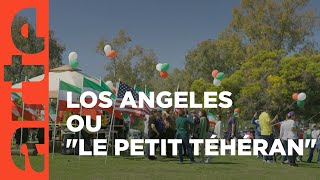
- Iranian New Year and the Spirit of ProtestContextThe Persian New Year celebration in Los Angeles takes on a special flavor of revolt this year, influenced by the uprising in Iran that has reverberated across the Western United States.Community SizeNearly 500,000 Iranians live in the Los Angeles region, making it the largest Iranian community abroad. This is an educated community with a living standard above the American average.ActivismCommunity members work tirelessly to raise awareness among American citizens and politicians about the Iranian question, regardless of their political affiliation.SentimentFor 80% of Iranians, the regime is dead. The previous hope for reform has disappeared, and the diaspora understands they amplify the voices of those still in Iran.
- The Dancing Revolution and Digital ResistanceMovement OverviewFor several months, protests in Iran have been severely repressed by the authorities. The diaspora has taken over through social media and on-the-ground activism.Symbol of DefianceA video of young girls dancing with hair uncovered would have been unthinkable a year ago. These dancers were arrested and forced to make public apologies, but the choreography has since spread everywhere as a symbol of courage.Pride RestorationThe dancing and protests help restore a sense of pride to Iranians, particularly in the United States where diplomatic crises had reinforced mistrust for decades. Iranians now proudly wear pins and necklaces showing their heritage.Geographic SpreadTestimonies of this unprecedented movement regularly appear throughout Los Angeles, including Beverly Hills, Westwood, and other districts. The Iranian neighborhood of Westwood is nicknamed Teherangeles, a contraction of Tehrān and Los Angeles.
- Information Blackout and Human Rights CrisisTruth GapIn both Tehrān and Los Angeles, it is difficult to know the truth about what is happening in Iranian streets. Human rights organizations report 537 people killed during protests, a figure likely below the actual reality.Documented DeathsSince the beginning of protests in September, only 50 names of killed or arrested people are known. Many victims' deaths are not even reported on social media.Repression Statistics• In 2022, 582 people were officially executed, a 75% increase compared to 2021 • The government claims to have released nearly 82,000 detainees in February, including 22,600 related to the protests • Arrests and summary executions continue despite official claims of releasesConnection Across DistanceThrough contacts inside Iran, diaspora members like Ali receive energy and determination from seeing Iranians protest. When they see videos of actions in Iran, they are more determined to continue their work in Los Angeles.
- Asal's Journalism and Amplifying Iranian VoicesMissionAsal Paleva, an Iranian journalist living in Los Angeles for 22 years, has made it her mission to gather testimonies and document the Iranian movement. She recovers videos from Iran for television news she presents to the Iranian public.Broadcast ImpactHer weekly television journal has been broadcast for a year on an opposition exile satellite channel, Par STV. She curates information sent to her personally or found on social networks that Iranians do not always have access to.Content FocusThe journals cover assassinations, imprisonments, and economic and social situations. She dedicates two pages to prisoners, both religious and political, in her weekly magazine founded 60 years ago by her father.Personal CostAsal sometimes feels powerless when watching people come out of prison traumatized. She cannot spend even one day in prison, yet these people have spent very difficult days imprisoned, which causes her profound pain.
- The Magazine Legacy and Harassment from the RegimeFamily HistoryAsal's father, Basse Palavan, was a renowned Iranian journalist and writer. He opposed the regime from the beginning and was arrested because he believed it was bad for the country. He was forced to flee, and the family left Iran in 1985, first to France, then to the United States.Legacy ContinuationFor 13 years, Asal has continued her father's work by publishing information and Iranian poems. She carries on his belief that a writer should stay in the middle of the people to feel what is happening in the country.Ongoing Threats• The government of Tehrān sends threats and insulting messages to Asal on the internet • They block the website of her journal • Regime supporters manifest hostility even in California, insulting her onlineDeterminationDespite threats, Asal is not bothered by the regime's harassment. She continues her work because she knows what she reports on television is true.
- Rozbe's Restaurant and the First Victims MemorialSymbol VenueRozbe Farahani runs the Persian Gulf Café, one of the symbolic places of Teherangeles where the youth gather. It has been vandalized four times in recent months by regime supporters.First VandalismThe first attack occurred after Rozbe dedicated a table in his restaurant to the memory of the first young women victims of the regime, including Mahsa Amini, Zhina Daneshvar, and others.Lifelong PersecutionRozbe has faced this type of threat his entire life since leaving Iran and escaping the regime. The government continues to pursue and harass him despite being thousands of miles away.Revolutionary SymbolThe café has become a real museum where everything is authentic, written with 'Persian Gulf' on all objects. It represents the values of the women's revolution in Iran, with people overturning the Islamic Republic.
- Rozbe's Political Position and Economic CrisisLeadership RoleRozbe is now a key figure in the Iranian community, close to Republicans. He heads the Chamber of Commerce of Westwood and has opened the restaurant a year ago. He was a student movement leader against the regime and was imprisoned in 1999.Current OperationsRozbe currently directs three restaurants in Westwood. He is concerned about what is happening in Iran both from a political and economic perspective.Economic Collapse• In 2023, Iranians' living standard is lower than ever • Inflation has risen 50% • The currency has suffered a historic devaluation • Medicine prices have multiplied by 5 in just months • Some people have sold their urban houses to move to villagesPersonal TollRozbe calls daily to stay informed about the situation. These phone calls are risky for his contacts, as the regime targets anyone associated with his activities by summoning them for interrogations.
- Ali's Sacrifice and the Cost of ResistancePersonal StruggleAli, a young protester in Iran, has not worked since the beginning of the manifestations and strikes. He has been constantly mobilized and unable to launch any projects.Economic LossAli had signed a contract before the protests with a telecommunications operator close to the government. When manifestations began, he could not continue working with the organization and cancelled the contract, losing significant income.Current HardshipOver the last seven months, the situation has been very difficult for Ali and his surroundings. Financial support could help people like him continue their resistance efforts.Moral SupportSudis worries about Ali and supports him despite the distance. The only thing activists in Iran need is money just to eat, and diaspora members wish they could help everyone financially.
- Personal History and the March for ChangeFamily TragedySudis left Iran for studies 37 years ago but never returned. Her uncle, an admiral in the navy, was hanged, and her father, highly placed in the oil industry, was condemned to 10 years in prison. She lost 10 years of his life because of the regime.MotivationHer father's suffering is her motor, driving her activism and commitment to the cause of Iranian freedom and justice.Rally OrganizationFor months, support protests for Iran have succeeded one another in Los Angeles. This weekend, Sudis and her friends lead a gathering organized in the Iranian neighborhood of Westwood.Unified MessageIn the name of all victims who have lost their lives, the crowd chants in a single voice: Woman, Life, Liberty. This becomes the rallying cry of the movement in Los Angeles.
- Political Vision and the Next GenerationFuture JusticeRozbe sees himself as a future prosecutor of the Tehrān regime. He promises to bring the Islamic Republic to national tribunals, away from foreign hands, and to demand the execution of the regime leaders.New ParticipantsRecently, these rallies have taken a new dimension with the support of young American-Iranians who have never known their parents' country. They are joining the movement for the first time.Youth Motivation• The Islamic Republic kills Iranians without reason • It is a human right to show your hair or any other part of your body • Being present and making your voice heard has a large impact • Supporting local government action and federal government initiatives can change things in IranMovement ForwardIn Iran, the unprecedented uprising is led by youth. In Los Angeles, the new generation must take the torch and amplify the voice of Iranians in America.