How UV Causes Cancer and Aging
5 capitulos
- UV Light and Visual PerceptionBackground ContextPrevious video explored what the world looks like in ultraviolet light, showing how appearance changes significantly.Visual Changes• Images appear hazier overall • Light and dark areas become flipped • Skin appears blotchier • Fake teeth stand out prominentlyInitial QuestionThe core inquiry that sparked this video: how does non-ionizing ultraviolet radiation damage skin and lead to cancer?Research FoundationThis exploration led to deeper investigation into the cellular and molecular mechanisms of UV damage.
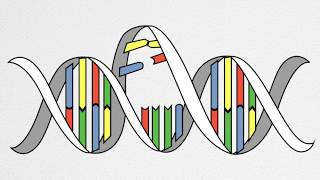
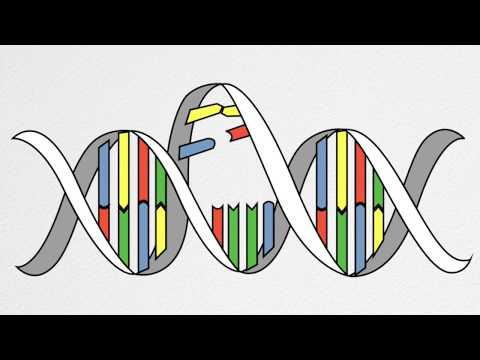
- DNA Damage: Pyrimidine DimersCommon MisconceptionInitial assumption was that UV light breaks existing bonds in DNA, but the actual process is the opposite.Actual Mechanism• UV facilitates formation of unauthorized covalent bonds between DNA bases • Creates pyrimidine dimers by bonding adjacent thymines together • Forms lesions that make DNA difficult to read and work with • These lesions are like bumps on the DNA structureCancer DevelopmentLesions alone don't cause cancer; mutations form during the DNA repair process, eventually leading to cancer through various pathways.Genetic VulnerabilitySome individuals with specific genetic issues cannot repair these lesions and are covered in skin cancer.
- The Double Whammy: Immunity SuppressionDual ImpactUV light both creates DNA damage and simultaneously weakens the body's ability to fight it.Immune System Effects• UV suppresses the natural immune system • Reduces the body's primary defense against cancer • Decreases surveillance capabilities in skin tissueCompounding ProblemSunlight not only induces unauthorized bonds but also reduces the immune system's ability to fix them.ConsequenceThis creates an unfavorable situation where damage and repair capacity are both compromised simultaneously.
- Photo-Aging: Wrinkles and Sun DamageGlass MisconceptionGlass blocks most UVB radiation but does not block UVA, allowing photo-aging to occur even inside vehicles.Real-World Evidence• Truck drivers show more wrinkles and sunspots on the left side of their face • Patients display more wrinkled hands on the side closer to car windows • Famous case shows significant photo-aging difference between left and right facial sidesCollagen Breakdown• Wrinkles result from destruction of collagen and elastin fibers • Sun damages existing collagen and elastin scaffold • Fibroblasts require collagen stretching to produce new collagen • Damaged collagen means less stretch and reduced productionPrevention StrategySunscreen is the most effective anti-aging product available, preventing collagen degradation better than any cream on the market.
- Key Takeaway: Sun ProtectionPrimary DefensePreventing ultraviolet light from reaching skin is the best action for avoiding both skin cancer and photo-aging.Scientific ConsensusSunscreen is proven to be more effective than marketed anti-aging creams for maintaining skin health.Dual Benefits• Protects against DNA damage and cancer development • Prevents collagen and elastin degradation • Maintains immune system function in skin • Reduces visible signs of agingSimple SolutionUsing sunscreen is straightforward, evidence-based advice for long-term skin health and cancer prevention.