

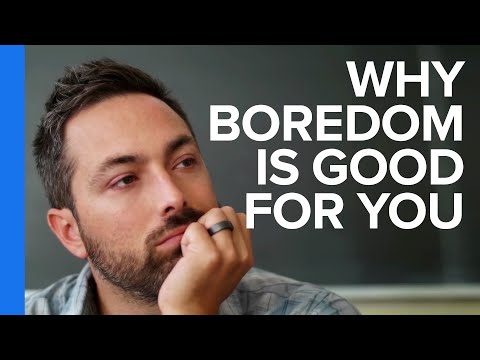
Why Boredom is Good For You
4 capitulos
- The Boredom ParadoxThe ExperimentParticipants were placed in a room for 6-15 minutes with only a button that would shock them if pressed. Despite previously saying they would pay to avoid shocks, 25% of women and 67% of men chose to shock themselves rather than be left alone with their thoughts.The Pattern• 95% of American adults participate in leisure activities • Only 17% spend time just relaxing and thinking • People actively avoid boredom despite discomfortWhat is BoredomBoredom is not having nothing to do, but when none of the available options appeal to you. It is characterized by lack of concentration, restlessness, and lethargy—a state of being underwhelmed.Constant DistractionWith social media, news, and smartphones constantly available, people reach for their phones to avoid boredom in any situation—at coffee shops, traffic lights, and even in class.
- Boredom Fuels CreativityMind WanderingWhen bored, your mind naturally wanders with attention not focused on anything in particular. This unfocused state enables creative thinking.The Phone Book StudyParticipants who read a boring phone book were then asked to generate creative ideas for uses of a plastic cup. Those in the boredom condition produced the most creative solutions compared to less bored controls.Warning SignalBoredom serves as an indicator that something in your current situation isn't working for you, prompting awareness of dissatisfaction.Motivation for ChangeDespite making you feel tired and sluggish, boredom actually spurs you to action and motivates you to make positive changes in your life.
- Deeper Impacts of BoredomAltruism ConnectionBoredom may increase altruistic behavior. The sense of aimlessness can trigger people to think about others and how they can help, giving purpose to their lives.Research Evidence• Bored participants are more likely to donate to charity • Bored participants are more likely to give blood • Meaningful but unpleasant activities hold more value when boredLife PlanningBoredom cultivates autobiographical planning—thinking about your life as a story and considering where you want it to go. This aimlessness leads to reflection on long-term goals.Goal Setting NecessityWhen your brain is constantly consumed with stimuli, you rarely ponder the bigger picture or set long-term goals. Boredom is essential for thinking about your future and how to achieve your goals.
- The Cost of Avoiding BoredomThe ChoiceEvery moment of waiting presents a choice: pull out your phone or experience boredom and your own thoughts. This seems insignificant but carries real consequences.What We Lose• Less creativity in problem-solving • Less altruistic behavior and empathy • Less self-assessment of current state • Less goal-setting for the futureThe ParadoxBy avoiding the unpleasantness of boredom through phones, you are like the study participants who shocked themselves—but the pain goes deeper to who you are and who you will become.Final ThoughtBeing bored is something our brains need. The decision to embrace rather than avoid boredom has profound implications for your creativity, compassion, and future.