Iran : dans l’ombre de la guerre | ARTE Reportage
9 chapitres
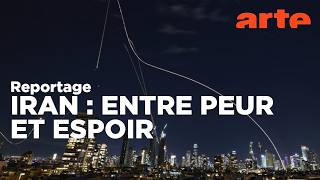
- Evacuation and Fear: The First Signs of WarSituation initialeAlmost all inhabitants have fled the area with all lights extinguished, indicating people's escape from the danger zone.Vigilance quotidienneA resident checks a school daily for any movement, understanding that any sign of activity indicates danger requiring immediate departure.Sentiment dominantThe situation is described as unpredictable and frightening, with little hope for positive outcomes in the region.Perspective politiqueIranians face cyclical uncertainty about regime change, fearing that when one dictator falls, another rises to replace him.
- The Death of the Supreme Leader and Activists' ResponseÉvénement majeurActivists filmed what they believed was the fall of the regime, with videos reaching journalists after several days.Annonce officielleThe death of the Supreme Leader of Iran's Islamic Revolution is announced as his achievement of the 'great grace of martyrdom.'Célébrations populaires• People celebrate with hope that international help is arriving, thanking Trump for establishing power balance and removing oppressive forces • Some express joy at the death of those who killed many youth over the years and caused immense suffering • Friends of a protester killed in January visit her grave, celebrating that her killer was himself killed the previous nightTradition contestataireActivists dance to celebrate the death rather than mourn, a militant tradition born from the 2022 'Woman Life Freedom' movement.
- Medical Resistance: Healthcare Workers Under PressurePeur permanente• A nurse radiologist experiences constant fear and nightmares about returning to work daily • Fear of discovery for directing wounded protesters to treatment outside official hospitals • Worry about being followed when visiting patients and the possibility of their arrestRéseau clandestinRepression forces were so present in hospitals that the only option was to direct wounded protesters to trusted doctors and establish a discrete network for treating the injured.Preuves documentéesDespite risks, the nurse kept documentation of protester injuries including pellets in the eye, jaw, throat, and skull wounds concentrated on face, neck, eyes, and upper chest.Acte politiqueHealthcare became completely politicized, with repression forces monitoring patient treatment and arresting wounded protesters once stabilized, even waiting outside resuscitation rooms for patients to survive so they could be arrested.
- Youth Uncertainty: Between Hope and ConfusionDésorientation collectiveYoung people in Tehran try to find humor in the situation while dealing with fundamental uncertainty about what comes next.Règles changées• Young journalist Farad notes that people were accustomed to the belief that those in power never die • During the 12-day war, disappointment came when certain leaders were not killed • Now that the Supreme Leader is dead, it feels like the rules of the game have changed, with events exceeding normal predictionsSentiment contradictoirePeople experience mixed emotions but victory feeling dominates over anxiety caused by sounds of war.Espoir électoralProtesters determine not to allow another dictator to rule and vow to vote in elections, refusing both the regime and the new Supreme Leader if necessary, threatening to return to the streets.
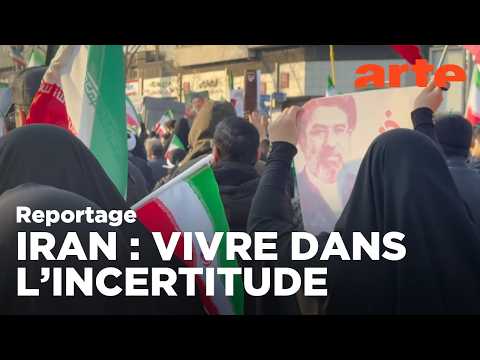
- Succession and New Leadership amid BombingNomination surpriseMojtaba, the son of Ali Khamenei, is officially designated as the new Supreme Leader.Cérémonie officielleThousands gather at Revolution Square to pledge allegiance to the new young leader, with participants believing this election will have considerable impact on Iran's political future.Continuité du régimeThe son of Khamenei becomes a symbol of hardline stance and regime resistance, representing the same authoritarian path Iran has followed.Bombardements parallèlesThe day before the ceremony, Tehran was heavily struck by American-Israeli coalition bombing, with an oil complex catching fire and covering the city in toxic smoke and gas for several days.
- Daily Life Under Bombardment in the CapitalConditions environnementales• Rain becomes toxic, carrying smoke and poisonous gases from bombed oil depots • All cars accumulate a layer of dirt from the smoke in the sky with visible soot covering • The sky takes on a strange black color from the bombing falloutRestrictions hydriquesFamilies face severe water restrictions with supplies at their lowest, storing bottles for water since it is cut off at night and children may need it.Solidarité communautaire• Families decide to remain in apartments despite bombardment as they have no other options • Neighbors help each other when missiles strike, checking if anyone needs assistance • Elderly residents receive immediate concern and offers of help from younger familiesCraintes existentiellesResidents worry about the destruction of Iran's 2500-year historical heritage, cultural sites, and the country's future position in the world if buildings and infrastructure are destroyed.
- Intensified Bombing and State CrackdownEscalade militaire• Police posts and checkpoints are targeted in bombing campaigns • Strikes hit western areas of the capital including footage of attacks on neighborhoods like Amedal • The regime claims that civilian infrastructure including schools, health centers, and homes are hit, with only official cameras allowed to film damageRépression accruePolice announce arrest of over 500 people for sharing information with the enemy, with sentences up to 15 years in prison, causing journalists like Farad to fear for their safety.Peur quotidienne• Each car horn and passing vehicle triggers genuine anxiety with constant backward glances fearing surveillance • People carry all belongings in a single pocket to immediately discard everything if arrested • Residents daily empty their phones to avoid incriminating evidencePression régionalePressure intensifies in southern cities like Shiraz, Isfahan, and Kerman where military targets were attacked, with regime militias increasing interventions including brutal vehicle searches and insulting behavior toward citizens.
- Conflicting Emotions: Hope, Fear, and Moral AmbiguityMessage des militantsAnti-regime activists managed to send new messages expressing belief that their savior finally arrived and did what was necessary.Sentiments mixtes• As war prolongs, activists feel both fear and anguish alongside growing hope for freedom • They worry international community pressure might stop the war and reach new agreements with the Islamic Republic • War prolongation saddens them as much as the possibility that the regime remains in powerAmbiguïté moralePeople experience strange excitement that the regime might fall but acknowledge many are being killed, with some viewing this as necessary elimination of criminals while fearing for ordinary people.Souveraineté contestéeResidents question the right of foreign countries to attack and impose decisions about who should lead, criticizing Trump's involvement in determining Iran's next leader without asking Iranians what they want.
- Regime Defiance and Civilian HardshipRésilience du régimeAfter more than two weeks of bombardment, the Islamic Republic holds and retaliates with new propaganda posters announcing the fight continues until the world finds peace.Confinement forcéResidents like Azora remain confined at home, threatened by regime militias that parade at nightfall through neighborhoods.Situation d'approvisionnement• Supermarket situation has improved slightly with shelves not yet empty though supplies are being rushed • No one knows what will happen next regarding food availability • Unemployed daily laborers and those dependent on food aid or closed businesses face extreme difficulty acquiring necessitiesRoots of despairThe call for war stems from years of sorrow, hatred, and living under dictatorship, with January massacres reopening wounds and making this the moment when suppressed anger finally erupts.