Massacres en Iran : refuser le silence | ARTE Reportage
Depuis le début de la révolte en Iran, les journalistes iraniens sont muselés et les journalistes étrangers n'ont plus accès au pays.
3 chapitres
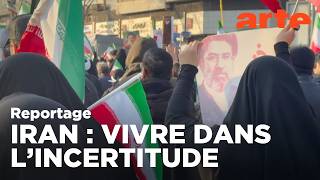
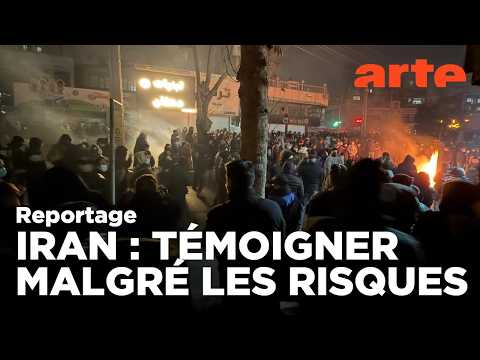
- The Uprising Begins: Economic Crisis and Initial ProtestsContexte économiqueEconomic collapse triggered protests starting December 28 in Tehran's electronics bazaar. Local currency collapsed with uncontrollable inflation and explosive price increases. Bazaars, traditionally conservative, closed in protest. Egg prices multiplied by 9 in one month compared to the previous month.Mobilisation populaire• Protests expanded beyond the bazaar into streets across the entire country • All social classes and age groups joined the movement seeking change • Families participated together, including mothers with young children • Participants believed in a real possibility of change and revolutionAtmosphère d'espoirA sense of hope and joy filled the streets. The movement represented unity across generations, from the 'Woman Life Freedom' movement participants to new demonstrators. People described the mood as hopeful, enthusiastic, and transformative.Réponse gouvernementaleAuthorities initially attempted appeasement, with the interior minister calling for dialogue with protesters. However, early violence occurred, and despite government reassurances, the revolts intensified rather than calmed.
- The Night of Violence: January 8-9 Turning PointRupture internetInternet was shut down around 8 PM on January 8, cutting off all external communication. Fixed phone lines also stopped working. This blackout prevented citizens from contacting help or warning loved ones about the violence unfolding.Déchaînement répressif• Security forces arrived in large numbers around 9 PM with orders to clear streets • Beatings with batons intensified as crowds refused to disperse • Shooting began without warning, with security forces firing automatic weapons at unarmed demonstrators • Witnesses described scenes of war with multiple casualties in single locationsChaos hospitalierHospitals became overwhelmed with casualties. Healthcare workers were threatened and prohibited from documenting what they witnessed. Twenty bodies were found stacked in a sterile hospital room. Staff was forbidden from crying while treating the wounded and dead.Bilan humainThe regime initially acknowledged over 3,000 deaths, attributing them to foreign agents. International NGOs later reported over 30,000 deaths in Tehran's streets. Casualties included headshots, chest wounds, and leg injuries from live ammunition.
- Aftermath and Repression: Control Through TerrorExtorsion familiale• Authorities demanded substantial payments from families to release bodies, ranging from 4,375 to 6,250 euros • Families without financial means were forced to accept false narratives blaming victims • Deceased were sometimes falsely labeled as 'bassijes' (regime supporters killed by protesters) to inflate official casualty figures • Families endured harassment with threats about being under surveillanceConfessions forcéesState television broadcast forced confessions obtained through coercion. The justice minister personally supervised extracting confessions from detainees. Televised confessions were used as propaganda to justify the regime's violence and blame protesters.Désillusion collectiveTwo weeks after the massacres, internet remained cut and the atmosphere was described as heavy and suffocating. Economic activities halted, deepening daily hardships. Citizens lived in fear, mostly confined to homes. A sense of abandonment prevailed among protesters.Espoir persistantDespite the repression and despair, protesters expressed that the idea of the regime's eventual disappearance could no longer be suppressed. Despite describing themselves as being in a 'coma,' some maintained cautious optimism that the thought of change had taken root in people's minds.