Why Scorpions Glow in the Dark
6 chapitres
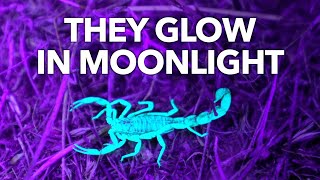
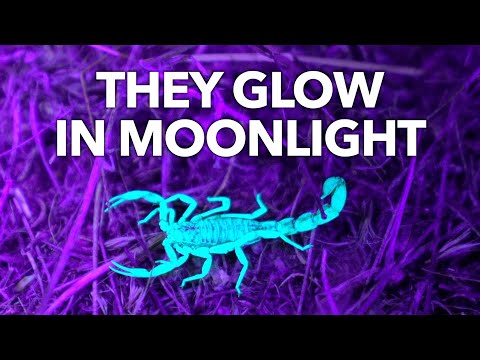
- Discovering Scorpion FluorescenceKey DiscoveryScorpions are incredibly fluorescent and glow bright neon green under ultraviolet light due to fluorescence, which means their bodies absorb UV light and reradiate it in the visible spectrum.Finding MethodsScorpions can be easily spotted in the desert at night using an ultraviolet torch, making them surprisingly simple to locate.Similar Animals• Jellyfish fluoresce under ultraviolet light • Amphibians glow under UV light • Owls display fluorescence properties • Platypuses glow under ultraviolet lightResearch ContextCarl Kloock, a professor of biology at Cal State Bakersfield, has been researching scorpion fluorescence for over a decade.
- Testing the Insect Attraction HypothesisInitial TheoryOne hypothesis was that scorpions fluoresce to attract insects for feeding purposes.Experimental DesignCarl used preserved scorpions, coating half with UV blocking marine varnish so they didn't fluoresce, then placed them on flypaper outdoors to measure insect attraction under different moon phases.Key Results• Under new moon: no difference in insects caught between fluorescent and non-fluorescent scorpions • Under full moon: fluorescent scorpions caught fewer insects than non-fluorescent ones • This counterintuitive finding contradicted the original hypothesisConclusionFluorescence is not used to lure insects; in fact, it appears detrimental to the scorpion's ability to catch flying insects.
- Scorpion Vision and Light DetectionEye StructureScorpions have eight eyes total: two median eyes and a cluster of three eyes on each side, arranged symmetrically on their body.Extraocular SensingIn a 1968 experiment, scorpions with painted-over eyes still detected light 93% of the time and moved to covered areas, proving they can sense light with their bodies, not just their eyes.Tail Detection AbilityScorpions possess an extraocular light sense in their tail, allowing them to detect light without forming images.Possible Functions• Communicate with other scorpions of the same species for mating • Act as camouflage by absorbing UV light to blend with surfaces • Detect predators that see in ultraviolet light
- Historical and Evolutionary TheoriesAncient HistoryScorpions came out of the water during the Silurian period when there was significantly more UV radiation in sunlight due to the absence of an ozone layer.Possible Mechanisms• Relic trait: something developed when they first came on land that hasn't been lost • Byproduct: a chemical with another function that happens to fluoresce • Sunscreen: absorbs damaging ultraviolet photons and converts them to prevent body damageInternal FluorescenceInternal bodily fluids in scorpions fluoresce, suggesting fluorescence isn't necessarily functional but simply a chemical property.Additional AdaptationsScorpions can metabolize iron and nickel, which they use to strengthen their pincers and claws.
- The Photon Detector FunctionExperimental ApproachCarl developed a technique to reduce scorpion fluorescence by exposing them to long periods of ultraviolet light, photobleaching the fluorescent chemical in their exoskeleton.Behavioral Changes• Non-fluorescent scorpions exposed to UV light showed no behavioral change from darkness • Fluorescent scorpions significantly reduced activity levels when exposed to UV light • This demonstrated fluorescence functions as a light detection mechanismScientific InterpretationFluorescence acts as a whole-body photon detector, allowing scorpions to sense ultraviolet light through their entire body rather than just their eyes or tail.Practical PurposeThe suspected function is to help scorpions determine whether they should come out at night, using UV light levels as a cue for predation risk and foraging necessity.
- Behavioral Decision-Making and SurvivalForaging StrategyScorpions can survive long periods without eating and are reluctant to forage during bright moonlit nights when predation risk is highest.Risk AssessmentScorpions use UV light levels as an environmental cue to gauge how bright it is and therefore how likely they are to be preyed upon.Hunger FactorDuring full moons, only scorpions that are very hungry and need food will venture out, while well-fed scorpions remain in their holes.Decision FrameworkScorpions balance two factors when deciding whether to forage: environmental brightness (predation risk) and their hunger level (food necessity) to determine the best course of action.