Ces prisonniers vivent un enfer ! - La tragédie du Lisbon Maru
6 chapters
- Introduction and SponsorshipGame SponsorshipEpisode is sponsored by World of Warships, a game allowing players to control warships and attack opponents' ships with new submarines coming by year end.Topic OverviewEpisode covers an unhappy historical event that takes place on water during World War II.Historical ContextMany atrocities were committed during WWII by both camps, including American bombing and 'Friendly shots' against allied forces.Episode FocusFocuses on the tragic Lisbon Maru incident involving British and Canadian prisoners of war, where more than 800 lives were lost.
- Hong Kong's Strategic Importance and Military SituationColonial HistoryHong Kong was a British colony since 1842 before being returned to China in 1997, strategically important for the region.Pre-War Status• Japan initially at war only against China, which was militarily supported by USSR and economically by United Kingdom • British military staff did not consider Southeast Asia a priority war theater • Allied forces in Hong Kong were minimal with approximately 15,000 soldiers totalMilitary Resources• 3,652 British soldiers, 1,982 Canadian soldiers, 2,254 British Indian Army soldiers, plus local forces • Only 5 light aircraft for aviation defense • Only three destroyers for maritime defense • Most naval forces had been repatriated to EuropeCombat OutcomeJapanese launched assault on December 8, 1941 with 50,000 soldiers and superior naval forces; Hong Kong defended for 17 days before surrendering on December 25, the first British colony to capitulate to enemy invasion.
- Prisoners and Conditions at Sham Shui Po CampCasualties and Capture• Allied forces suffered at least 2,000 dead and 1,500 wounded during fighting • More than 10,000 allied soldiers were capturedCamp Conditions• Prisoners held at Sham Shui Po camp, a British barracks converted to prison • Treatment was severe, following Japanese army standards for prisoners • Food consisted almost exclusively of rice causing widespread constipation • Lack of food led prisoners to eat stray dogs or catsDisease and Sanitation• Insalubrity coupled with absence of medical drugs caused epidemics of dysentery and diphtheria • Flies and mosquitoes were abundant • Many casualties resulted from diseaseTreatment Violations• Japanese forces forcibly enlisted prisoners for labor, beating those who refused • Civilians attempting to help prisoners by throwing food over fences were tortured or executed • Conditions violated the Geneva Convention of 1929, which Japan had not ratified
- The Lisbon Maru Transportation and SinkingPrisoner Transfer• After more than 9 months at Sham Shui Po, prisoners were transferred to other detention centers • On September 27, 1942, 1,816 British and Canadian prisoners were boarded onto the Lisbon Maru shipConditions Aboard• Ship carried 700 Japanese soldiers along with prisoners • Hastily built wooden huts were constructed in ship holds • Conditions were worse than at camp with dysentery generalized among prisoners • Latrines located on bridge caused constant queues with some prisoners waiting hours • Ship bore no visible identification of prisoner status, no red cross flagAttack and Sinking• On October 1st morning, USS Grouper submarine fired a torpedo, striking the ship's flank • Japanese immediately forbid access to bridge, then sealed holds with tarpaulins hours later • Water began seeping into holds causing panic among prisonersCasualties and Aftermath• Japanese soldiers opened fire on fugitives before abandoning ship • British government reported at least 800 prisoners died • A dozen Japanese ships present evacuated troops while some survivors were rescued by Chinese fishermen • Surviving prisoners were subsequently locked in camps in Japan, making death count difficult to verify
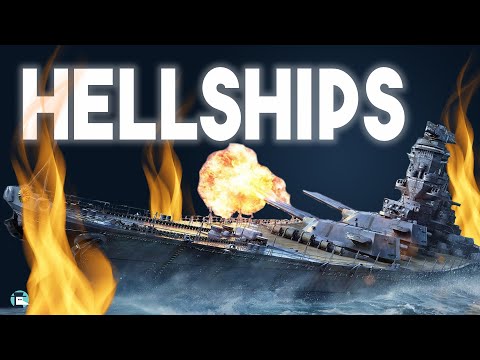
- Hell Ships and War CrimesDefinitionThe term 'Hell Ships' refers to all cargo ships used by Japanese navy to transport prisoners of war under literally hellish conditions.Similar Incidents• Rakuyo Maru, Kachidoki Maru, Suez Maru, and Shinyo Maru also targeted by allies • Other Allied prisoners died on these ships due to similar circumstances • Multiple incidents represent systematic problem in Japanese prisoner transportationContributing Factors• Ships lacked indicative flags identifying them as prisoner transports • Allied forces were ignorant of cargo function during attacks • Inhuman treatment of prisoners combined with lack of proper identification led to tragedyJusticeInhuman treatment and transport of prisoners without proper identification became charges in the Tokyo Trial, which began in January 1946 to judge war crimes in the Southeast Asian region.
- Conclusion and Game PromotionHistorical ReflectionWar is never pretty; the Lisbon Maru tragedy exemplifies the human cost of conflict and the importance of remembering such events.Game Features• World of Warships offers variety including destroyers, cruisers, battleships, and aircraft carriers • Digital naval warfare without real-world consequences or harm to prisoners • Collection of ship models without requiring physical spaceGame Incentives• Submarines being added by year end will change gameplay • Free to download and play without commitment • Invitation code 'BOOM' provides two ships, 7 days premium account, and 2.5 million game creditsClosingViewers invited to follow on Instagram, Facebook, Twitter, and YouTube for more content.